
News
Flavonoid-Rich Foods Cut Frailty Risk for Older Adults
A long-term cohort study jointly conducted by Edith Cowan University in Australia, Queen’s University Belfast in the United Kingdom and Harvard T.H. Chan School of Public Health in the United States has recently been published in the American Journal of Clinical Nutrition. The research confirms that increasing daily intake of flavonoid-rich foods can significantly reduce the risk of frailty syndrome among older adults, offering important evidence for dietary interventions to support healthy ageing.
Frailty is not a normal part of ageing. It refers to a clinical condition marked by diminished physiological reserves and declining function of multiple bodily systems. Older adults with frailty have a greatly reduced ability to cope with stress. Minor infections or small injuries may lead to falls and disability, raising the demand for long-term care. It has become a public health challenge across ageing societies worldwide. Traditional interventions mainly focus on strength training and chronic disease management, while this study identifies daily diet as a low-cost approach for frailty prevention.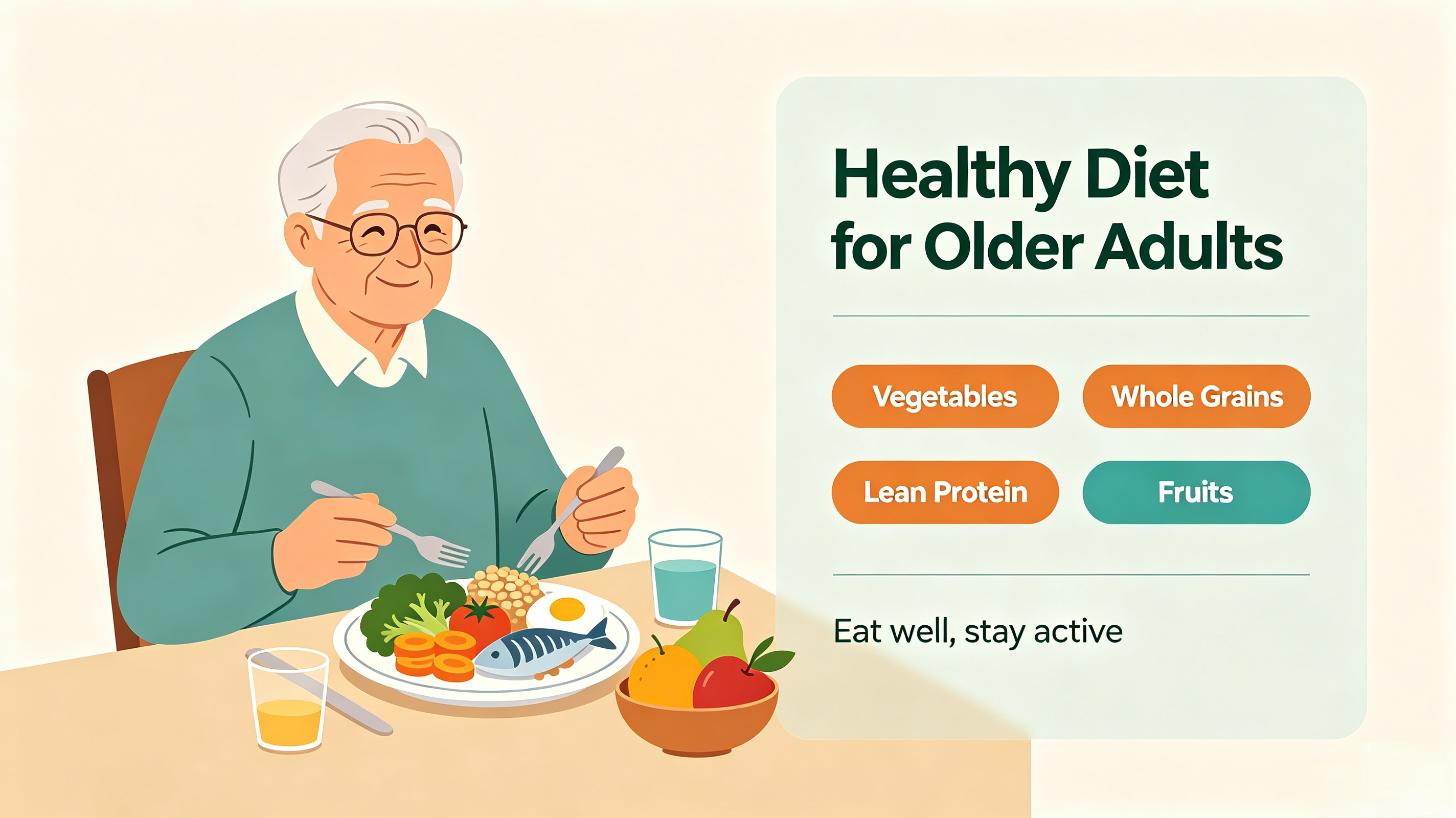
Over a 24-year period, the research followed nearly 90,000 middle-aged and older participants, continuously documenting changes in their dietary patterns and health status. The team found that groups with higher dietary flavonoid intake had markedly lower risks of frailty and physical functional decline. Flavonoids are natural antioxidants widely found in plant-based foods. They help relieve chronic inflammation in the body, reduce oxidative damage, protect blood vessels and muscle tissues, and slow the rapid loss of physiological reserves.
The study names berries such as blueberries and blackberries, apples, citrus fruits, onions and black tea as excellent sources of flavonoids. Researchers note that large doses are unnecessary; consistent moderate intake each day can bring health benefits. Different subtypes of flavonoids work in distinct ways. Components including anthocyanins and quercetin show strong effects in frailty prevention. Consuming a diverse range of fruits and vegetables daily works better than eating excessive amounts of a single food.
The research team also cautions that the study only demonstrates correlation, meaning eating flavonoid-rich foods does not guarantee protection from frailty. Frailty results from a combination of genetics, exercise, chronic illnesses and nutrition. Dietary adjustment serves only as a preventive measure and cannot replace regular physical activity, routine health checks and chronic disease management.
As the global elderly population keeps growing, healthcare systems worldwide are placing greater emphasis on early frailty prevention. Compared with pharmaceutical interventions, dietary adjustments to slow age-related physical decline carry lower barriers and are suitable for widespread promotion. The findings provide new references for nutritional guidance and ageing-friendly health education for seniors, as well as new research directions for rehabilitation assistive devices and the elderly nutrition industry.
Experts recommend that older adults add colourful fruits, vegetables and light tea to a balanced diet, paired with resistance training. This combined approach helps preserve muscle strength and reduce the chance of developing frailty. Seek medical assessment for frailty and early intervention if signs such as unexplained weight loss, persistent fatigue, slower walking speed or reduced grip strength appear.
Yiwu Orange Light Future Technology keeps track of global trends in elderly health and focuses on ageing-friendly health products. Our portfolio of mature products supports the safety and health of seniors living at home. Business inquiries and discussions from all sectors are welcome!
RELATED NEWS
- Getting the Right Wheelchair Is Not Enough: Global Reflection on Hidden Health R
- Telemedicine Innovations Deliver Continuous Health Monitoring for Homebound Olde
- Wheelchairs for the elderly
- Three Healthy Habits: Eat Well, Keep Moving, Stay Social to Guard Senior Memory
- Heatwaves Pose Multiple Health Impacts on Seniors with Chronic Diseases
CATEGORIES
LATEST NEWS
CONTACT US
Name: Fannie
Mobile:+86 13375799060
Tel:+86 13375799060
Whatsapp:+86 13375799060
Email:fannie@ywolftech.com
Add:589 Longtan Road,Jinhua City Zhejiang Province China