
News
Mediterranean Diet Confirmed to Boost Brain and Cardiovascular Health for Seniors
International studies continue to show that the Mediterranean diet, centered on plant foods, fish, whole grains and olive oil, may help older adults preserve cognitive function and cardiovascular health through a variety of mechanisms.
As global population aging accelerates, reducing health risks in old age through diet has become a key focus in public health and nutrition research. Recent international studies further confirm that the Mediterranean diet is not merely a "longevity recipe", but a sustainable healthy dietary pattern. Its benefits may involve anti-inflammation, anti-oxidation, improved vascular health, preserved white matter integrity and regulated gut microbiota.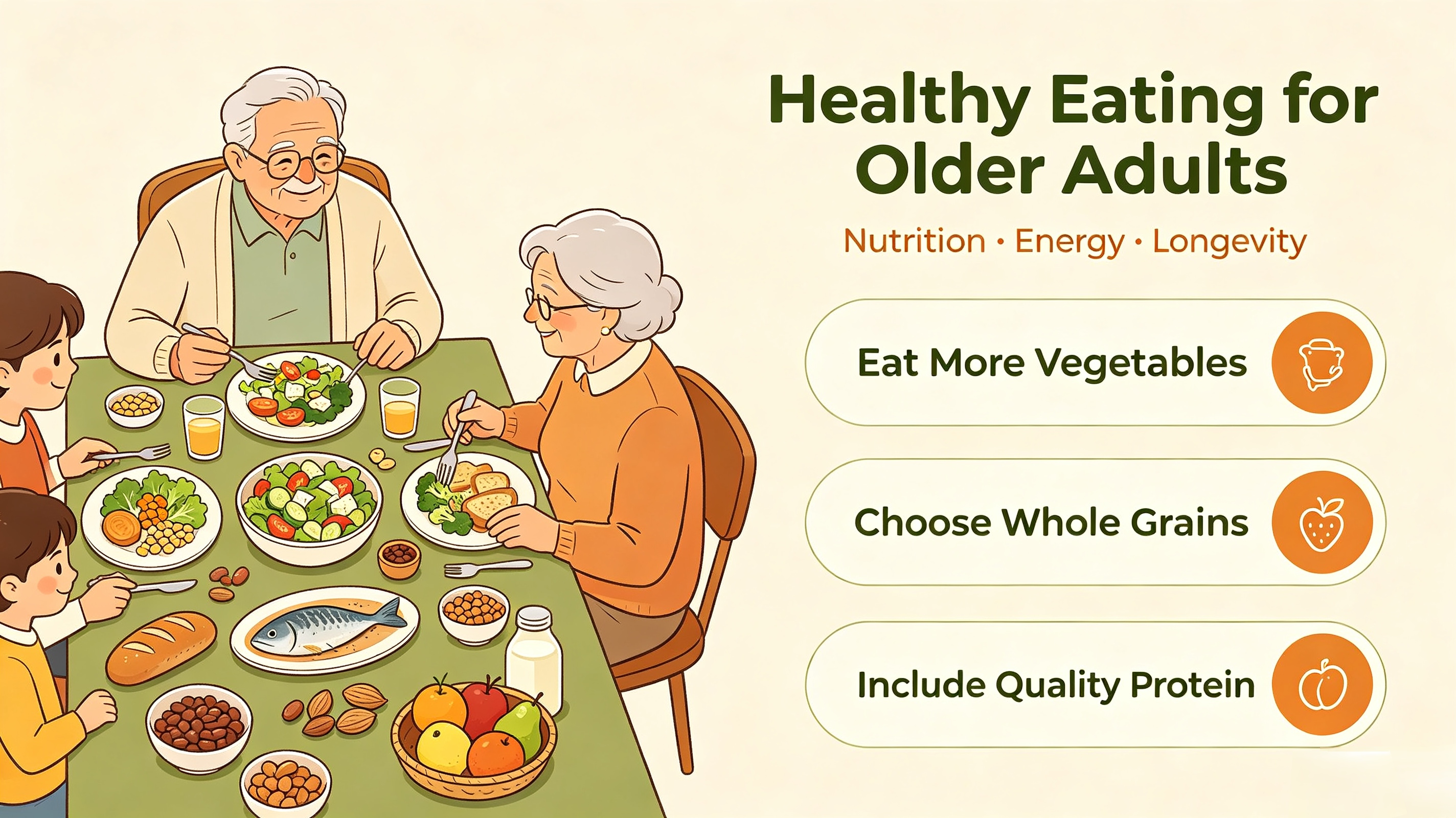
Why the Mediterranean diet links to brain and heart health
The traditional Mediterranean diet features abundant vegetables, fruits, whole grains, legumes, nuts and olive oil, moderate intake of fish, dairy and poultry, and limited red meat, processed foods and added sugars. Rich in dietary fiber, unsaturated fatty acids, polyphenols and micronutrients, this dietary structure helps reduce chronic inflammation and improves blood lipid, blood pressure and blood sugar management.
Cardiovascular health is closely tied to brain health. Vascular damage, arteriosclerosis and blood pressure fluctuations not only raise the risk of heart disease, but also impair blood supply to the brain and accelerate cognitive decline. Therefore, part of the Mediterranean diet’s protective effect on the elderly brain stems from its positive impacts on the cardiovascular system.
New evidence from international research
A prospective cohort study published in 2025 found that older adults with higher adherence to the Mediterranean diet experienced slower long-term cognitive decline. The study also identified gut microbiota profiles associated with the diet that correlate with better cognitive trajectories, especially among overweight, obese or metabolically compromised seniors. This suggests gut microbiota acts as an important mediator through which diet affects brain health.
Another study on Hispanic and Latino adults found that adherence to the Mediterranean diet was associated with better brain health markers, including white matter integrity and signal connectivity across brain regions. Notably, this association remained partly independent of traditional risk factors such as blood pressure, cholesterol, blood glucose and smoking, indicating diet influences brain structure and function via more complex biological pathways.
For cardiovascular health, the protective effects of the Mediterranean diet are well documented. Multiple studies demonstrate that higher adherence is linked to lower cardiovascular mortality risk. For older adults, this dietary pattern supports healthier lipid, inflammatory and metabolic profiles, reducing the potential risk of cardiovascular and cerebrovascular events.
Takeaways for older adults: It is not about eating less, but eating right
For seniors, one major advantage of the Mediterranean diet is its flexibility and practicality. It does not advocate extreme calorie restriction. Instead, it encourages adding high-quality plant foods, fish and healthy fats to daily meals while cutting back on heavily processed foods, red meat and added sugars.
Yiwu Orange Light Future Technology keeps track of global trends in elderly health and specializes in age-friendly health products. A range of mature products support safe and healthy living for seniors at home. Partners from all sectors are welcome for inquiries and business discussions.
RELATED NEWS
- Heatwaves Pose Multiple Health Impacts on Seniors with Chronic Diseases
- Age‑Friendly Innovation: Global Markets Boost Senior Safety and Health for the E
- 2026 New Home Wellness Choice: Shower Chairs Redefine Comfortable Seated Bathing
- Overlooked Silent Threat: Sarcopenia Impairs Quality of Life Among Older Adults
- Overseas Attention Drawn to Wheelchair Safety: Proper Operation Cuts Senior Acci
CATEGORIES
LATEST NEWS
CONTACT US
Name: Fannie
Mobile:+86 13375799060
Tel:+86 13375799060
Whatsapp:+86 13375799060
Email:fannie@ywolftech.com
Add:589 Longtan Road,Jinhua City Zhejiang Province China