
News
Smart Dietary Tips for Seniors: A Guide to Healthy Eating in Later Life
As global population aging accelerates, the nutritional health of older adults has become a key focus in global public health. Recent research published by the World Health Organization and multiple national nutrition research institutes indicates that a balanced diet does not rely on expensive supplements. Simple adjustments to daily meals can help seniors preserve muscle strength, reduce risks of chronic diseases, and improve the quality of independent living in later life.
Many older adults fall into common dietary misconceptions, most notably the belief that "the thinner you get in old age, the better" and "the more vegetarian your diet, the healthier you will be". Experts from the International Society of Geriatric Nutrition explain that muscle mass naturally declines with age, a condition known as sarcopenia. Insufficient protein intake combined with long-term excessive vegetarian diets can easily lead to muscle loss and reduced physical strength, raising risks of falls, fractures and weakened immunity. Nutritional balance does not mean sticking to an all-vegetarian diet; instead, it emphasizes food diversity.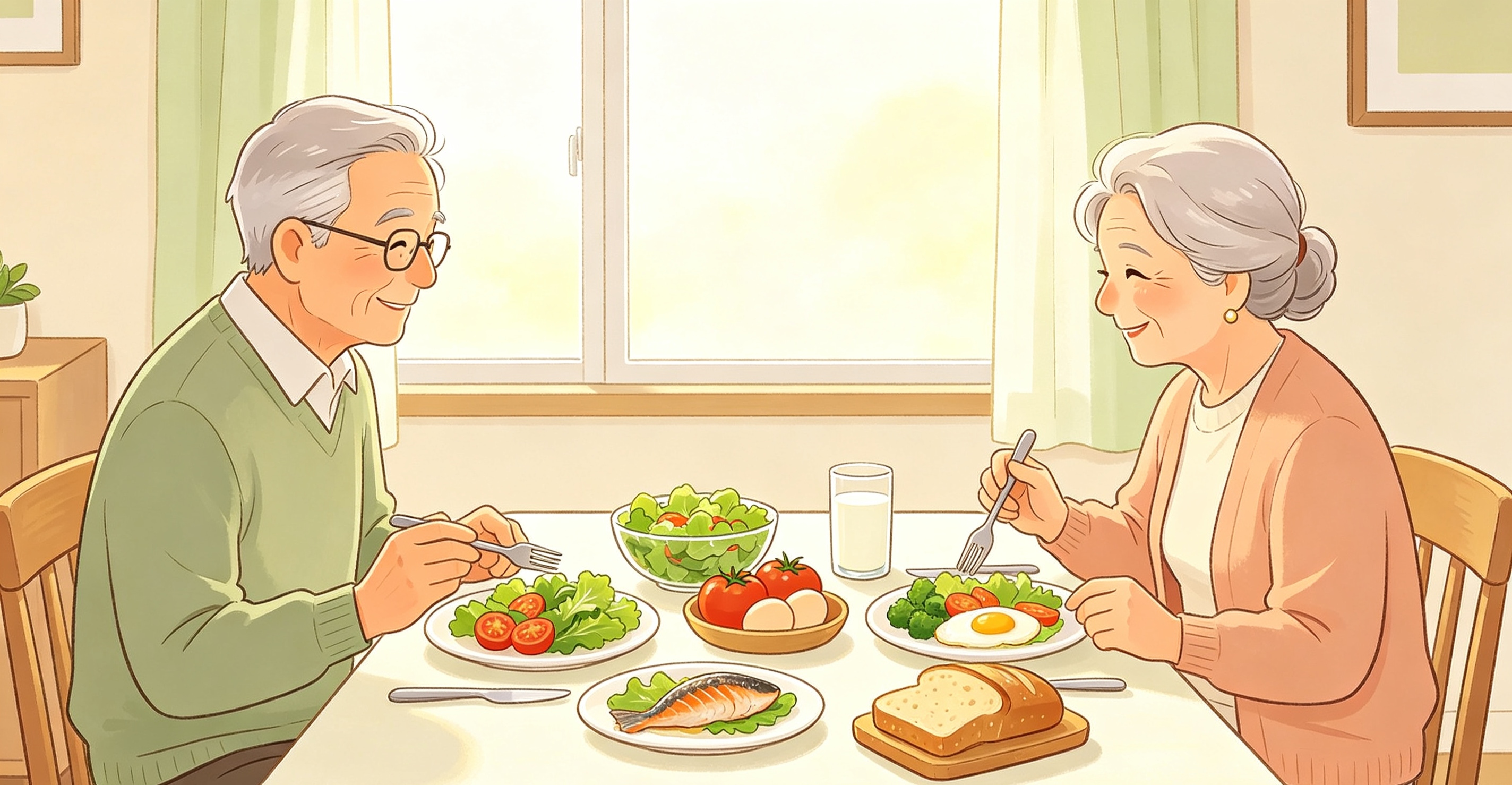
Nutrition experts have developed practical dietary recommendations tailored to the physiological characteristics of seniors. Replace refined grains with whole grains, tubers and legumes to stabilize post-meal blood sugar, supplement dietary fiber and support gut health. Ensure adequate high-quality protein intake every day. Eggs, low-fat milk, fish, shrimp, bean products and lean poultry are excellent choices. Distribute protein evenly across breakfast, lunch and dinner to facilitate muscle synthesis. Choose soft, easy-to-chew fruits and vegetables for vitamins, minerals and antioxidants. Cooking principles include low salt, low sugar and limited deep-frying. Daily salt intake should be kept below 5 grams. Herbs and spices can be used to replace heavy seasonings.
Food preparation matters greatly considering seniors’ reduced digestive function and dental deterioration. Ingredients should be cut into small pieces and thoroughly cooked. Avoid hard, spiky or hard-to-chew foods. For seniors with poor appetite, small and frequent meals are recommended — splitting three main meals plus two snacks to prevent overeating and ease gastrointestinal burden. For elders living with hypertension, diabetes, hyperlipidemia and other chronic conditions, dietary plans must be customized under guidance from doctors or clinical dietitians. Generic recipes should not be copied blindly.
Multiple long-term global cohort studies have proven that well-established dietary patterns such as the Mediterranean Diet and DASH Diet help older adults lower risks of cardiovascular diseases and cognitive decline. These patterns share core principles: abundant fruits, vegetables, whole grains and legumes, moderate intake of fish and nuts, and limited processed meat, added sugar and high-salt processed foods. Researchers note that dietary changes do not require drastic overhauls. Gradual habit adjustments bring long-term health benefits.
Experts also remind us that nutrition and physical activity complement each other. A balanced diet paired with moderate exercise such as walking and simple resistance training maximizes the slowdown of muscle loss. Nutrients can hardly be converted into physical vitality if seniors only rely on nutritional supplements while staying sedentary. Family members and caregivers should monitor elders’ eating status. Rapid weight loss and persistent poor appetite are warning signs of malnutrition and require timely medical assessment.
The foundation of healthy aging lies in daily dining tables. For the silver generation, the core of scientific dieting is not strict food avoidance, but eating a varied and suitable diet. Integrating nutritional concepts into every meal protects physical functions through simple and feasible dietary adjustments, enabling seniors to enjoy a more energetic and higher-quality later life.
Yiwu Orange Light Future Technology keeps track of global trends in elderly health and focuses on developing age-friendly health products. A range of mature products support seniors’ safety and health at home. Partners from all sectors are welcome for inquiries and business negotiations.
RELATED NEWS
- Anti-Ageing Solutions on the Plate: Global Scholars Discuss Personalized Dietary
- Age‑Friendly Mobility: Securing Independent Living for Globally Ageing Populatio
- Three Healthy Habits: Eat Well, Keep Moving, Stay Social to Guard Senior Memory
- Silver-haired Documentary!
- Guarding Seniors’ Every Step: Classifications & Adapted Functions of Walking Aid
CATEGORIES
LATEST NEWS
CONTACT US
Name: Fannie
Mobile:+86 13375799060
Tel:+86 13375799060
Whatsapp:+86 13375799060
Email:fannie@ywolftech.com
Add:589 Longtan Road,Jinhua City Zhejiang Province China