
News
Asia-Pacific Joins Hands for Healthy Ageing: Primary Healthcare as the Core Driver
Population ageing is accelerating across the Asia-Pacific region, which is home to more than half of the world’s elderly population. Challenges including a high prevalence of chronic diseases, shortages in long-term care and uneven distribution of elderly healthcare resources between urban and rural areas have become increasingly prominent. During a series of recent Asia-Pacific regional health cooperation seminars, health officials and public health experts from various countries reached a consensus: the delivery of healthy ageing cannot rely solely on large specialized hospitals. Consolidating primary healthcare systems serves as a critical pathway to safeguarding the health rights and interests of older adults.
Many Asia-Pacific economies are confronted with similar difficulties. A large number of seniors live with multiple chronic conditions such as hypertension and diabetes, creating long-standing demand for routine health monitoring, disease follow-up and rehabilitation guidance. Many elderly people only seek treatment at major hospitals when their conditions deteriorate, missing opportunities for early intervention. This not only increases medical burdens on families but also puts constant strain on high-quality medical resources. Senior residents in remote areas face further obstacles such as long travel distances to medical facilities and inadequate basic health services, resulting in notable gaps in health management during home-based elderly care.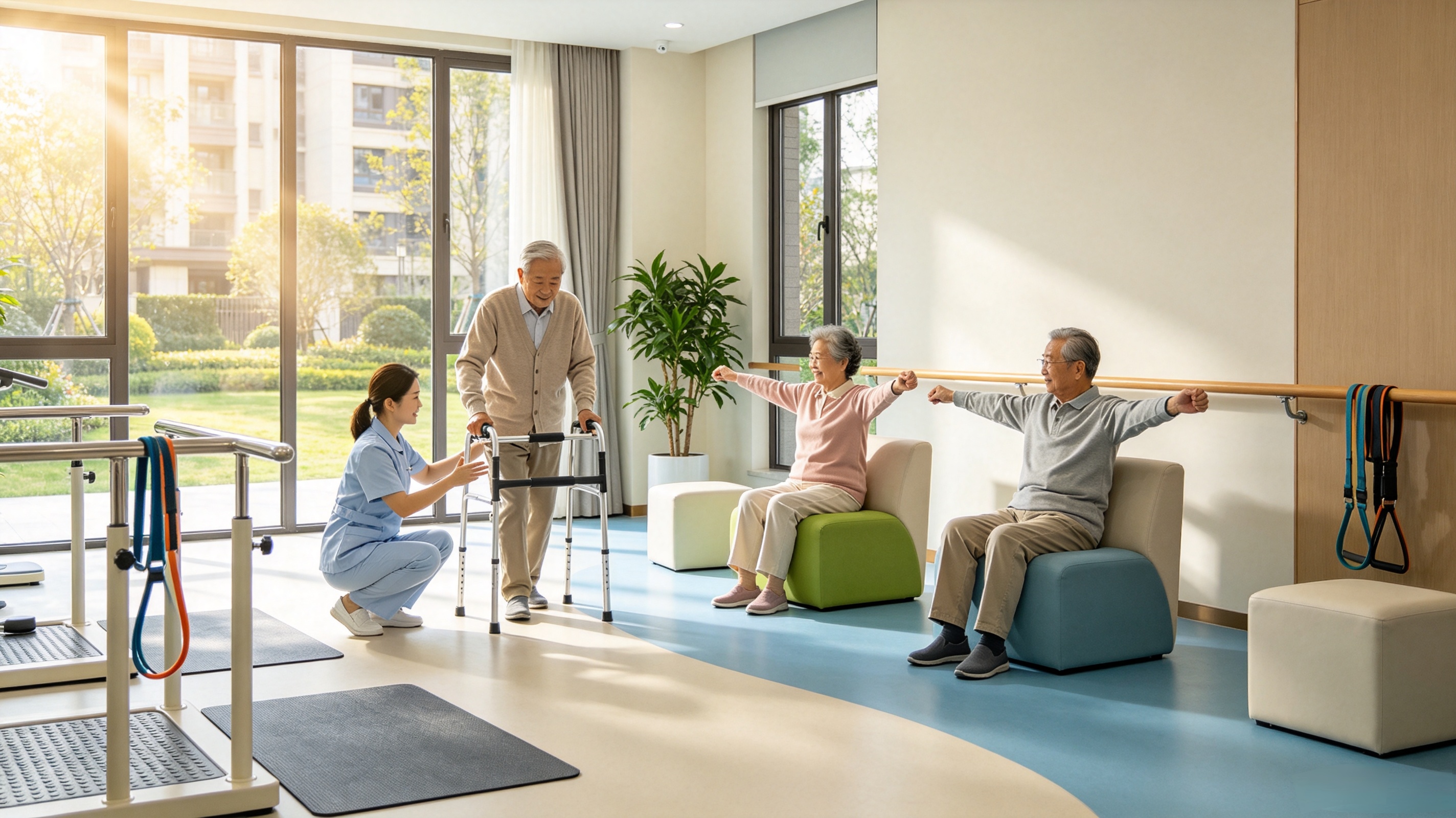
Participating experts pointed out that primary healthcare is community-based and easily accessible to residents. Featuring inclusiveness, continuity and cost-effectiveness, it well matches the regular health needs of the elderly. Enhanced service capacity at grassroots medical institutions enables regular programmes for senior physical examinations, standardized management of chronic illnesses, education on fall prevention, nutritional counselling and cognitive screening. Two-way referral channels established via community clinics facilitate management of mild conditions locally and timely transfer of severe cases to higher-level hospitals. Such a tiered healthcare model can effectively extend the healthy life expectancy of the ageing population.
Several countries and regions across the Asia-Pacific have launched relevant pilot initiatives. Local authorities continue to provide training for general practitioners in geriatric care, add special services for older adults at grassroots medical facilities, popularise guidance on assistive devices, and build seamless links between community medical care, home care and rehabilitation services. Meanwhile, regional exchange and cooperation frameworks are being refined. Participants share experience in developing age-friendly primary healthcare systems and promote the cross-regional replication of proven service models.
Future competition extends beyond GDP size. It also hinges on healthy life expectancy, healthcare efficiency, governance capacity for ageing societies and quality of life. By seizing this opportunity to integrate health management with artificial intelligence, grassroots medical services, insurance payment systems and the broader health industry, China stands a chance to transform the pressures of population ageing into drivers for the upgrading of the health industry and modernisation of national governance.
Advancing healthy ageing will also fuel growth of the regional silver economy. Market demand for home rehabilitation, preventive elderly healthcare and smart age-friendly products keeps rising. A mature primary healthcare network can connect medical resources, rehabilitation services and wellness products to form a full-life-cycle support system for older adults.
Yiwu Orange Light Future Technology focuses on elderly health and offers a wide range of age-friendly health products. Inquiries and purchases are warmly welcomed!
RELATED NEWS
- New business opportunities in the silver economy: The elderly toy market is on t
- Developing the silver economy
- 30‑Year Harvard Cohort Research Reveals Few People Achieve Full Healthy Ageing
- Wheelchair Accidents Highlight the Urgency of Senior Assistive Device Safety Ove
- Silver Fitness Boom Sweeps Europe: Senior Fitness Groups Redefine Later Life
CATEGORIES
LATEST NEWS
CONTACT US
Name: Fannie
Mobile:+86 13375799060
Tel:+86 13375799060
Whatsapp:+86 13375799060
Email:fannie@ywolftech.com
Add:589 Longtan Road,Jinhua City Zhejiang Province China