
News
Beyond Longevity with Illness: WHO Strives to Boost Healthy Life Expectancy
The global population aging process is accelerating, and a growing number of countries are confronted with public health challenges stemming from demographic shifts. For a long time, many regions have centered their aging-related initiatives on raising life expectancy. However, a new consensus is emerging: merely extending lifespan is far from sufficient. Reducing ailments in old age and achieving high-quality healthy longevity has become a key issue in the global field of geriatric health. The World Health Organization has repeatedly spoken out recently, advocating that countries shift their approaches to elderly care and healthcare, move away from the reality of "long life with illness", and strive to raise people’s healthy life expectancy.
"Long life with illness" describes a situation where people live longer yet suffer persistently from chronic diseases, mobility impairments and physical pain in their later years. They rely on ongoing medical interventions to sustain life, with drastically reduced autonomy and quality of life. Data from WHO reports indicates that numerous elderly people worldwide live with multiple chronic conditions in their final years, with widespread problems including disability, chronic pain and physical function decline. Extended periods of poor health not only impose physical and mental burdens on older adults themselves, but also strain national healthcare resources and place immense pressure on family care systems.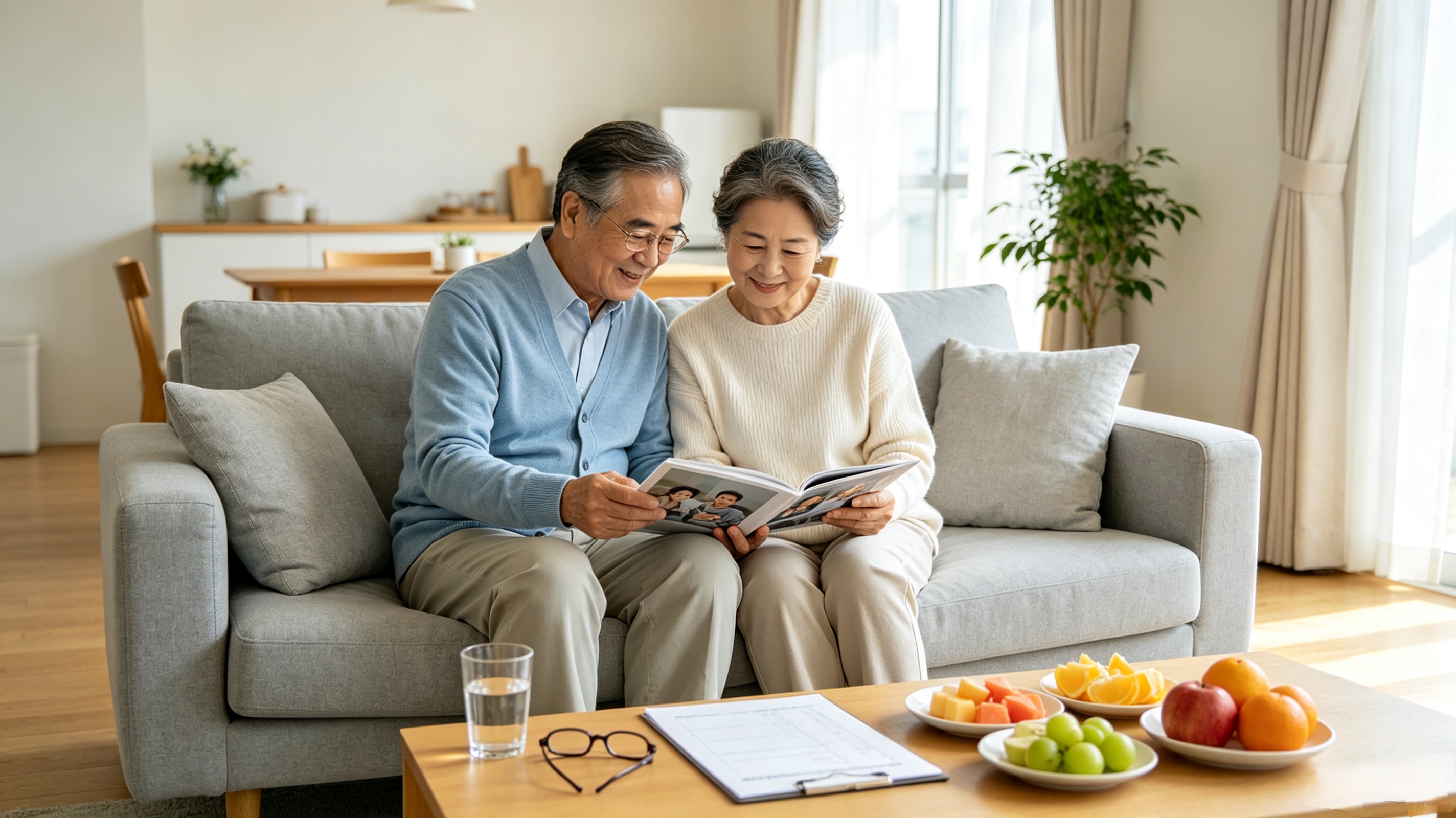
To reverse this trend, the World Health Organization has incorporated the improvement of healthy life expectancy into its core action framework for global healthy aging. Unlike overall life expectancy, healthy life expectancy measures the number of years a person can live in good health and maintain independent living, free from severe illness and disability. WHO proposes that national public health policies should shift focus forward, moving from treatment after elderly people fall ill to proactive health management across the entire life course.
In terms of practical implementation pathways, WHO calls on all countries to establish systematic action plans. Middle-aged and elderly populations should receive education on balanced diets, regular physical activity and routine health screenings, while enhanced early prevention and control of prevalent age-related chronic illnesses such as hypertension, diabetes and bone and joint disorders are required. Governments need to improve community-based elderly care services, promote rehabilitation interventions and age-friendly support to slow functional deterioration among seniors. In addition, efforts should be made to build age-friendly environments, guarantee older adults’ access to social participation and convenient travel, and safeguard their physical and mental well-being through social engagement.
Many developed nations have launched relevant initiatives. Nordic countries rely on community elderly care networks to carry out regular health monitoring for seniors. Japan continues to refine its preventive healthcare system for the aging population, incorporating chronic disease screening into universal public services. Practical data has proven that early health interventions can effectively delay the onset of disability and shorten the period of living with illness in old age.
Population aging is a universal global trend. The World Health Organization urges countries to strengthen cross-border experience sharing, integrate medical, elderly care and public health resources, and improve age-friendly healthcare security systems. The aim is to shift the development priority from "living longer" to "living better", helping hundreds of millions of older adults escape the predicament of long life with illness and achieve positive, healthy and high-quality lives in their later years.
While average lifespans are rising globally, evidence presented in the report sounds the alarm: nearly half of all deaths are preventable. Noncommunicable diseases and mental health crises are reshaping the global landscape of mortality. In response, the authors urge government and healthcare leaders to take swift, strategic action to address these disturbing trends that are transforming public health demands.
Yiwu Orange Light Future Technology pays close attention to the health needs of the elderly. The company offers a wide range of health products for seniors. Welcome inquiries and purchases!
RELATED NEWS
- Tap Silver Economy Potential to Fuel Long-Term Global Sustainable Growth
- Wheelchair Accidents Highlight the Urgency of Senior Assistive Device Safety Ove
- Rise of Italian Senior Apartments: Integrated Housing, Healthcare and Social Lif
- Global Silver Age Watch: Proper Use of Shower Chairs Safeguards Dignity of Disab
- Technology Empowers Senior Living: Global Age‑Friendly Technologies Safeguard th
CATEGORIES
LATEST NEWS
CONTACT US
Name: Fannie
Mobile:+86 13375799060
Tel:+86 13375799060
Whatsapp:+86 13375799060
Email:fannie@ywolftech.com
Add:589 Longtan Road,Jinhua City Zhejiang Province China