
News
Recurring Heatwaves Across Europe: Nations Launch Emergency Schemes to Safeguard Advanced-Age Elderly Living Alone in Hot Weather
Heatwaves have repeatedly swept across Europe this summer, with swathes of the continent enduring persistent extreme heat and temperatures repeatedly hitting record highs. Scorching weather has disrupted daily life for residents across all walks of life, while posing severe health risks to elderly people with weakened physical functions and chronic underlying illnesses. Living alone without regular care, they struggle to seek immediate help during medical emergencies, making them the most vulnerable group amid the heat disaster. To curb rising heat-related illnesses and fatalities, numerous European countries have rolled out comprehensive emergency elderly care schemes to fully safeguard the health of solitary senior citizens throughout the hot season.
Extreme heat can easily trigger acute episodes of hypertension, cardiovascular diseases and respiratory conditions. Elderly adults suffer from deteriorated body temperature regulation, limited sweat production and poor heat dissipation, rendering them highly susceptible to heatstroke and dehydration. Many seniors living alone tend to cut electricity costs by rarely turning on cooling appliances; without anyone reminding them to drink water or monitor their physical conditions daily, they face substantial hidden health risks at home. During the first wave of heatwaves in Germany earlier this summer, a large number of solitary elderly people passed away due to aggravated chronic diseases brought on by high temperatures, prompting European nations to accelerate the improvement of emergency elderly care services for hot weather.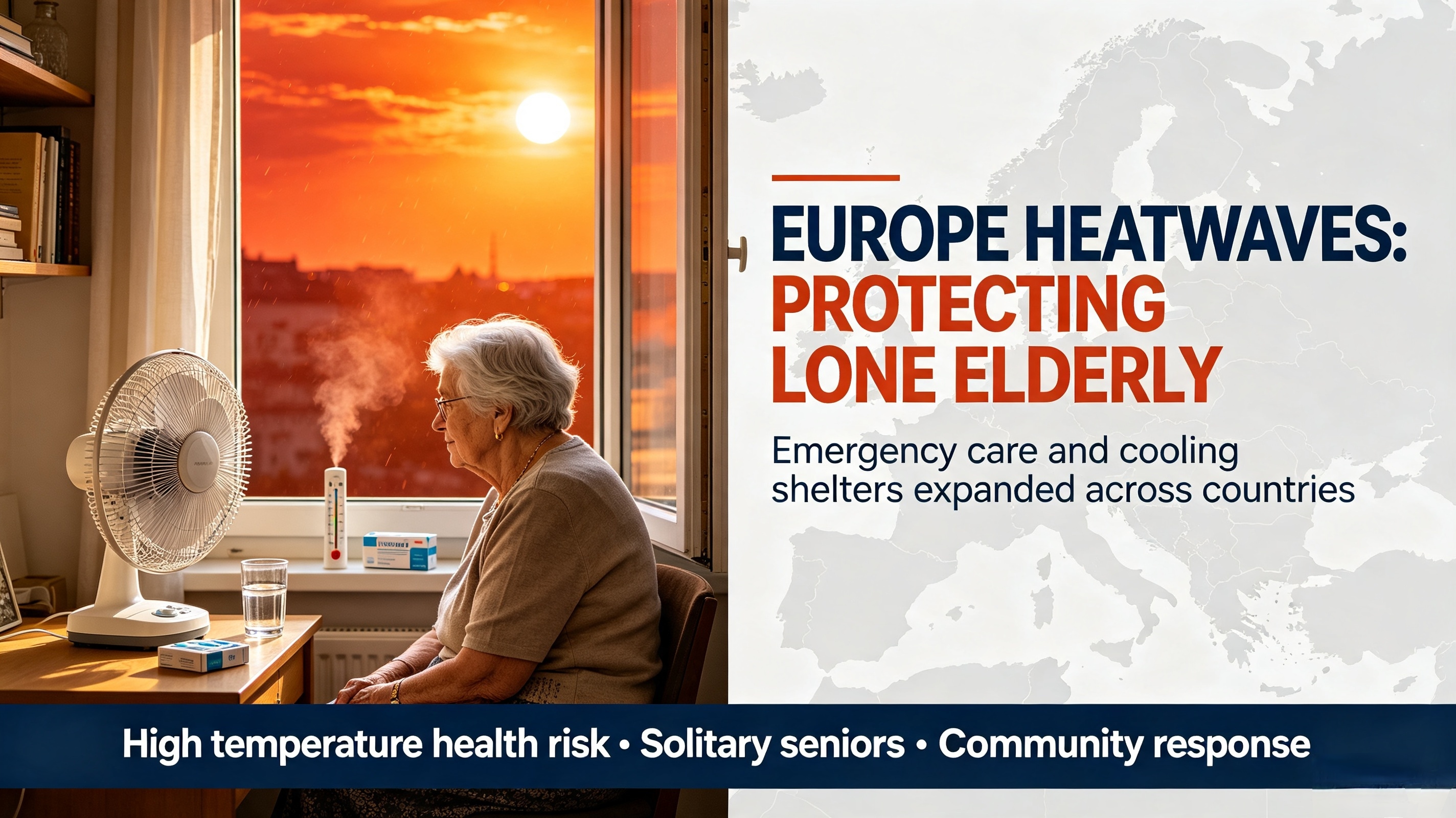
Germany has taken the lead in upgrading its home visit system for isolated seniors. Community care workers pay scheduled daily visits to locals aged 80 and above living alone, checking indoor temperatures and reminding them to stay hydrated and maintain healthy routines. Low-income elderly citizens who cannot afford cooling devices receive free portable fans, cooling ice packs and electrolyte drinking water from the government. Town halls and community centers stay open round-the-clock as public cooling shelters, with free shuttle services available for mobility-impaired seniors. Medical staff also remotely monitor the blood pressure and heart rate of seniors via home health tracking devices, and arrange on-site medical intervention promptly once abnormal vital signs are detected.
Sustained high temperatures have also wreaked havoc on agricultural production and public health across the continent. Severe drought has engulfed Romania, causing water levels in countless lakes and rivers to drop drastically. The Romanian Ministry of Agriculture projected in July that roughly 2 million hectares of corn and sunflower crops would suffer severe drought damage by September this year.
According to an August 9 forecast released by the Czech Statistical Office, unfavorable climatic conditions have reduced the country’s rapeseed planting area, with total rapeseed output expected to decline by 26.5% year-on-year, hitting its lowest level since 2006.
Monitoring data from France’s Heat and Health Alert System shows surging attendance at hospital emergency departments during heatwaves, with the elderly and children bearing the brunt. On July 29 and 30, more than half of emergency visitors were seniors aged 75 and over, while children under 15 accounted for 12% of total patients.
The UK Health Security Agency has issued amber heat health warnings for multiple regions including London, cautioning that hot weather will severely affect vulnerable groups such as elderly citizens living with multiple illnesses and long-term medication regimens.
A latest survey by Germany’s DAK-Gesundheit health insurance fund revealed that one in four Germans has developed heat-induced health complaints amid extreme temperatures, and the figure rises to nearly one-third among people aged 60 and above.
Beyond Germany, the United Kingdom, the Netherlands and other European nations have reallocated elderly care manpower and extended overnight emergency care shifts. Smart fall detection and indoor temperature sensors have been widely installed in the homes of solitary seniors; alerts for excessive indoor heat or accidental falls are instantly sent to community caregivers and family members. The WHO Regional Office for Europe has also issued dedicated health guidelines, educating seniors on light dietary habits, proper ventilation and avoiding outdoor activities during midday heat to help European countries deliver scientific heat protection services for the ageing population.
Meteorological authorities predict recurrent extreme heat spells will continue to batter Europe in the coming weeks. Elderly care departments across the continent have pledged to dynamically adjust heat emergency policies, prioritizing the health safety of isolated senior citizens. By integrating community-based services, intelligent monitoring equipment and emotional companionship, authorities aim to minimize heat-related health hazards and help elderly people living alone spend the summer safely.
Yiwu Orange Light Future Technology pays close attention to heat prevention and health management for seniors living alone in summer. We offer a full range of elderly care and health products, and warmly welcome inquiries and purchases from all clients.
RELATED NEWS
- Fighting Ageism: Advancing Equal and Dignified Healthcare for Older Patients
- Develop Education for the Elderly, Enjoy Golden Years
- Singapore Rolls Out New Rules: Medical Assessment Required for Mobility Aids on
- Healthy Longevity Initiative: Investing in Senior Health to Unlock Dividends of
- Deepen the reform of elderly care services
CATEGORIES
LATEST NEWS
CONTACT US
Name: Fannie
Mobile:+86 13375799060
Tel:+86 13375799060
Whatsapp:+86 13375799060
Email:fannie@ywolftech.com
Add:589 Longtan Road,Jinhua City Zhejiang Province China