
News
More Than Barrier-Free: Health Evaluations Join Public Transport Services for the Elderly
As global population aging accelerates, the demand for independent mobility among older adults keeps rising. For a long time, urban renewal across countries has focused heavily on hardware accessibility improvements such as ramps, walkways and elevators to remove physical barriers. Today, however, a growing number of nations have recognized that safe travel means more than just obstacle-free roads. It is also critical to address mobility risks stemming from seniors’ physical conditions. They have begun integrating health assessments into public mobility support services, building an age-friendly travel system that accounts for both built environments and individual health status.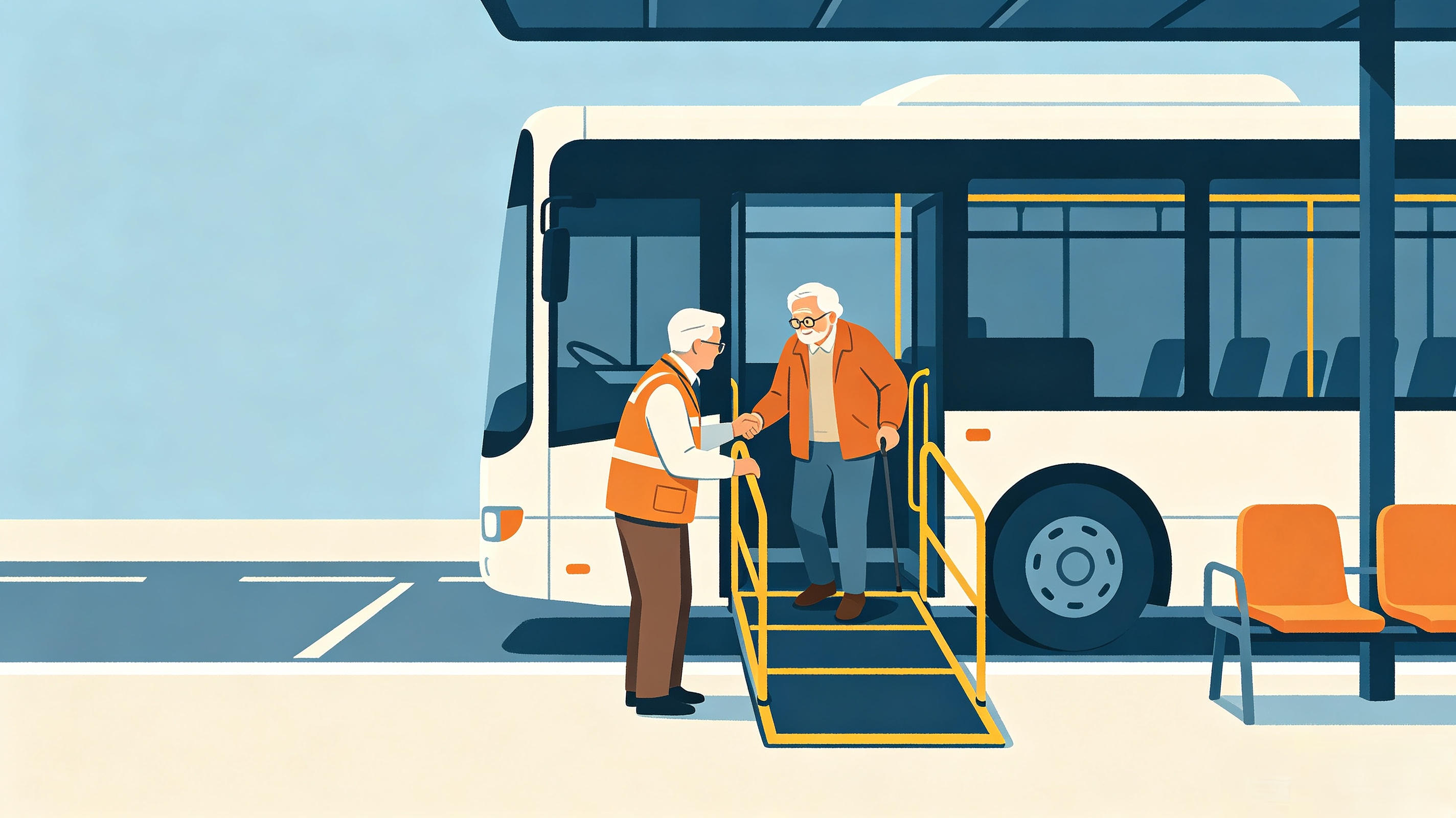
Even when older seniors can use accessible ramps and low-floor buses, hidden health issues including muscle loss, poor balance, cognitive decline and weakened cardiopulmonary function still raise risks of falls and sudden discomfort. Traditional accessibility upgrades only answer whether the road is passable, not whether an older adult is fit to travel on public transit. To bridge this gap, public transport authorities in multiple countries have partnered with geriatric health institutions to launch pre-travel health assessment services.
In some European cities, seniors applying for free public transport concessions or accessible on-demand ride eligibility may opt into simplified mobility health assessments. Assessments cover gait stability, balance tests, basic blood pressure and blood oxygen checks, alongside inquiries about medication use and cognitive status. Results do not restrict seniors’ freedom to travel; instead, they inform personalized travel recommendations. For example, those with poor balance are advised to travel during off-peak hours, while older adults with cognitive impairment are recommended to travel with family companions. Assessment records are shared with community workers and transit dispatchers to prepare support when seniors book accessible rides.
Some regions in East Asia with high aging rates are piloting similar programs. Communities work with transport departments to deliver home-based mobility screenings for homebound elderly residents. Workers document mobility capacity and fall histories to create encrypted mobility health files solely for matching public travel services. For seniors with marked mobility decline identified in assessments, staff also share guidance on mobility aids, recommend suitable wheelchairs and walkers, and inform them of emergency help points at transit stops.
Industry practitioners note the core of this model is risk prevention rather than imposing travel restrictions. Hardware accessibility improves the environment, while health assessments focus on individual physical conditions. Combining both truly safeguards older adults’ right to healthy mobility. Feedback from pilot programs shows fewer falls and sudden medical incidents among seniors on public transit after the introduction of health assessment services, with improved travel confidence among seniors and their families.
Nevertheless, rolling out this new system faces challenges. High labor costs for health assessments, inconsistent evaluation standards and the protection of personal health privacy remain key discussion points worldwide. Experts suggest adopting simple digital assessment tools to ease on-site workload, alongside strengthened data protection regulations to strictly separate medical health records from general public transit data and prevent privacy breaches.
Looking ahead, age-friendly public mobility is evolving from standalone environmental renovations into an integrated system covering “environment, health, mobility aids and human-centered services”. The shift from building accessible infrastructure to focusing on individual senior health marks a transformation in the global mindset toward senior mobility. The goal is to help older adults not only get from point A to point B, but travel safely, peacefully and preserve the dignity of independent outings.
Yiwu Orange Light Future Technology keeps track of global trends in elderly health development and specializes in age-friendly health products. A range of mature products help seniors stay safe and healthy at home. We welcome inquiries and business negotiations from all sectors!
RELATED NEWS
- Ensure that all elderly people can benefit from the development of the silver ec
- Rise of Global Silver Holiday Travel: Destinations Accelerate Safeguards for Hea
- Longevity Era Challenge: Aligning Pensions and Healthcare with Population Ageing
- Wheelchair Accidents Highlight the Urgency of Senior Assistive Device Safety Ove
- Proper Fitting Is Key: Wheelchair Selection and Healthy Usage Guidelines for Sen
CATEGORIES
LATEST NEWS
CONTACT US
Name: Fannie
Mobile:+86 13375799060
Tel:+86 13375799060
Whatsapp:+86 13375799060
Email:fannie@ywolftech.com
Add:589 Longtan Road,Jinhua City Zhejiang Province China