UN Decade of Healthy Ageing Mid-Term Action: Global Nations Sign Framework to Restructure Long-Term Care
Recently, the United Nations and the World Health Organization (WHO) have jointly launched the mid-term special initiative of the 2021–2030 UN Decade of Healthy Ageing. Nearly 100 countries worldwide have signed a multilateral cooperation framework, officially initiating the systematic upgrading and restructuring of the global long-term elderly care system. The move aims to shore up weaknesses in global ageing governance and advance the development of age-friendly, dignity-oriented elderly health security.
Centering on core deficiencies of the decade-long initiative, this mid-term action targets prevalent global challenges including uneven elderly care resources, fragmented service delivery and insufficient coverage of long-term care. It integrates global public health resources and unified elderly care service standards. The cooperation framework defines four core priorities: eliminating age discrimination, empowering older adults with independent living capabilities, building people-centered integrated medical services, and scaling up inclusive and sustainable long-term care systems. It covers the full service chain of elderly preventive healthcare, chronic disease management, rehabilitation nursing and home-based care.
Recommendations are proposed to achieve leapfrog development of care systems through international collaboration:
1.Elevate long-term care to a national strategic priority. Countries in the Asia-Pacific region should prioritize long-term care in fiscal and healthcare agendas within the critical time window, rather than treating it as a marginal social program.
2.Strengthen regional knowledge sharing. Leverage policy networks established by international organizations to conduct joint research and share best practices, enabling accelerated progress in technical applications and management models.
3.Further integrate long-term care into Universal Health Coverage (UHC). Asia-Pacific nations shall incorporate long-term care as a core component of UHC to ease pressure on medical systems, boost female employment and promote social equity.
According to the WHO mid-term assessment report, since the implementation of the Decade of Healthy Ageing, many countries have introduced age-friendly policies, elderly health security regulations and community elderly care solutions. Nevertheless, low- and middle-income countries still face prominent challenges including inadequate care resources, shortages of professional nursing staff and unbalanced urban-rural service distribution. The health vulnerability of older populations has become more pronounced in the post-pandemic era. The multinational signing breaks regional governance barriers, unifies global standards for elderly care development, and promotes mutual support in technology, talent and resources between high-income and developing countries.
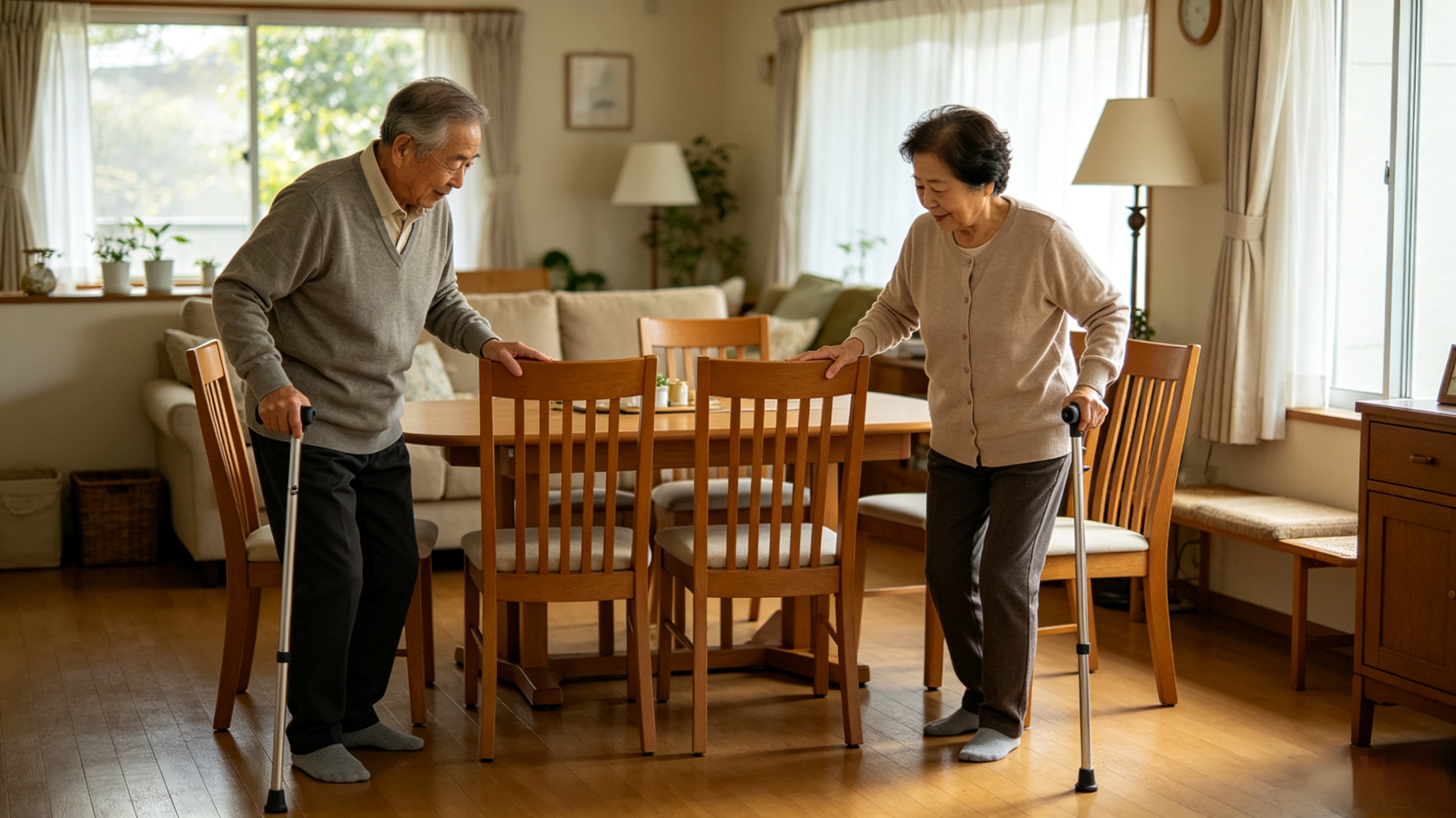
The adoption of the framework marks a pivotal stage of quality improvement and systematic transformation in global healthy ageing governance. Leveraging multilateral cooperation mechanisms, countries will advance age-friendly primary healthcare upgrades, fully implement long-term care security systems, and popularize smart elderly care technologies. Meanwhile, improved services for elderly mental health support and social participation will reshape traditional elderly care models and advance the global goal of healthy ageing for all.
Yiwu Orange Light Future Technology focuses on elderly health issues and offers a wide range of elderly-friendly health products. Warmly welcome inquiries and purchases!
