
News
More Than Longevity: The Global Pursuit of Secure Later Life and Sustainable Senior Living for the Elderly
The global population ageing process is accelerating. According to data from the World Health Organization, one in six people worldwide will be aged 60 or above by 2030, and rising life expectancy has become a common trend. Nevertheless, public health research across multiple countries indicates that longer lifespans do not equate to a high-quality old age. For many older adults, extended years of life are accompanied by challenges such as disability, loneliness, fluctuating income and insufficient care support. Against this backdrop, the approach to age governance around the world is undergoing profound shifts. Instead of merely striving to extend life expectancy, societies are committed to building support systems to help older people enjoy secure and sustainable later lives, embodying the core connotation of Healthy Ageing.
For a long time, longevity has been regarded as the primary benchmark for ageing-related development. Long-term monitoring data from the WHO, however, reveals a widening gap between average life expectancy and healthy life expectancy. Numerous older adults face mobility limitations, chronic illnesses and inadequate living security for years, even decades, in their twilight years. Unstable income, age-unfriendly housing environments and interrupted long-term care services can easily destabilise their lives and trigger a rapid decline in independent living capacity. In Europe, OECD member states keep optimising pension systems to offset inflation’s impact on elderly incomes. Meanwhile, they subsidise home age-friendly renovations and improve community day care and home care services to help seniors age in place. Countries including the Netherlands and Sweden have set up regular visiting schemes for elderly people living alone to address potential domestic risks and maintain stable daily routines.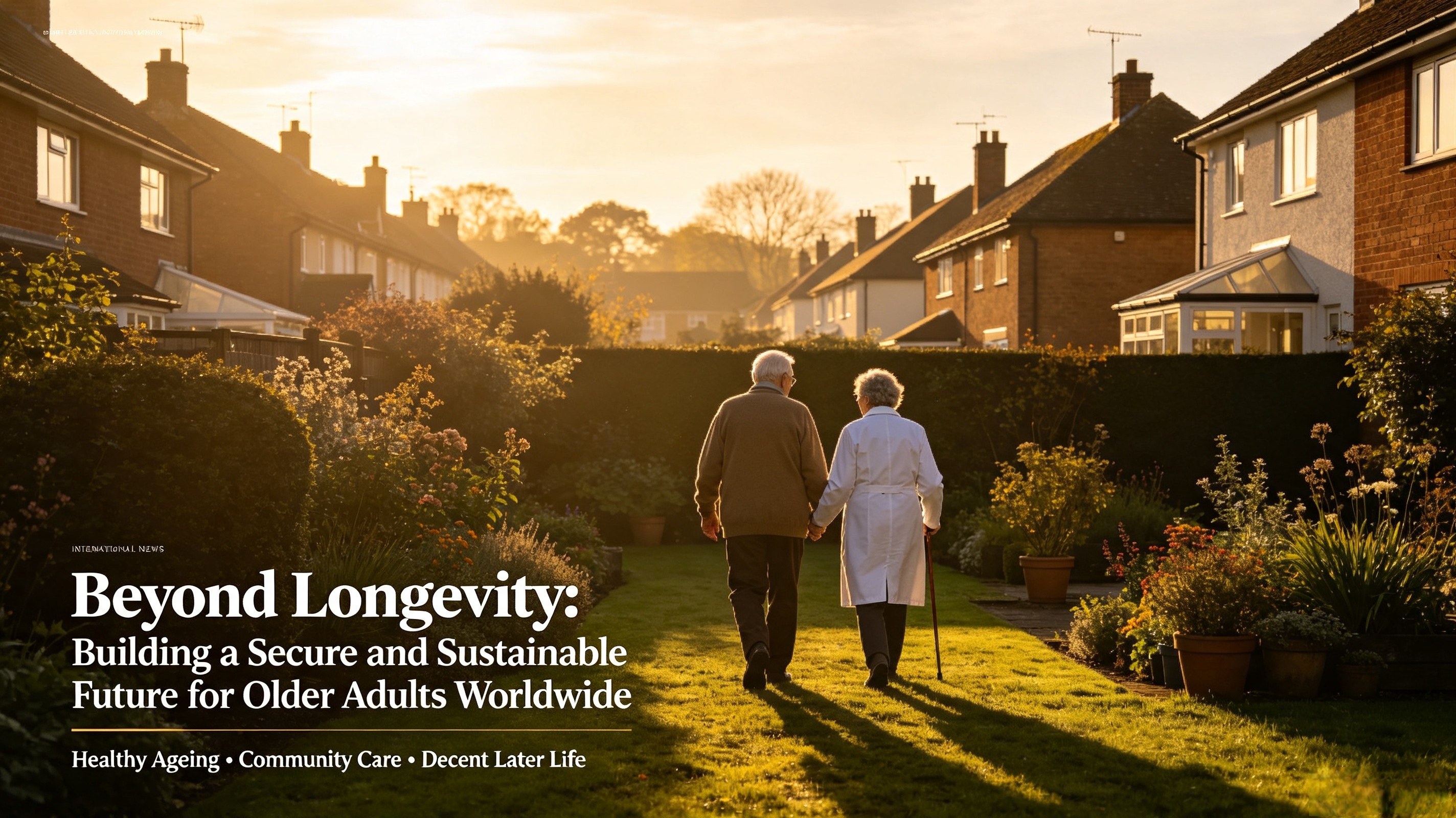
Many Asian nations are exploring sustainable eldercare models suited to their social structures. Japan continues to advance its regional comprehensive support centre system, integrating medical treatment, rehabilitation, housekeeping and elderly care resources to meet seniors’ needs through one-stop services. This integrated community care system prevents older adults from being forced to relocate due to deteriorating health. Thailand has built an extensive community eldercare network, where grassroots volunteers conduct health follow-ups and daily assistance to reduce risks of unstable living conditions for disadvantaged seniors. Many Southeast Asian countries have also rolled out universal elderly allowances to secure the basic livelihood of low-income older people.
A consensus is emerging among international ageing stakeholders: the ultimate goal of Healthy Ageing is to enable everyone to live longer with stability. Longevity is merely a foundation. Secure, independent and sustainable daily life represents the well-being older people truly desire. The United Nations Decade of Healthy Ageing is now in full swing, encouraging all countries to combat ageism, build age-friendly communities, and improve integrated health services and long-term care systems.
Going forward, countries across the globe need to share experience, and coordinate pensions, housing, healthcare and community services tailored to local conditions to establish a multi-tiered, sustainable safety net for the elderly. Robust support systems free seniors from worries over income, housing and care, allowing them to age peacefully in familiar surroundings. Only then can longer lives be lived with stability, autonomy and dignity.
The living environment also carries great importance. The highly complex chemical surroundings we inhabit interact with molecules within the human body and may exert influences on ageing.
Social factors also play a part, particularly inequality. Social forces exert a greater impact on people’s health than genetics or medical care. Factors including income disparity, lack of access to safe, affordable housing, inadequate healthcare, food insecurity and educational gaps cannot be overlooked. This explains why life expectancy tends to be lower among disadvantaged populations.
Yiwu Orange Light Future Technology pays close attention to the health needs of the elderly. The company offers a wide range of health products for seniors. All inquiries and purchases are welcome!
RELATED NEWS
- Asia-Pacific Joins Hands for Healthy Ageing: Primary Healthcare as the Core Driv
- set up 500 billion yuan for service consumption and elderly care re-lending
- Mediterranean Diet Confirmed to Boost Brain and Cardiovascular Health for Senior
- Global Silver Wave Fuels Export Growth of Portable Elderly Wheelchairs
- Ensure that all elderly people can benefit from the development of the silver ec
CATEGORIES
LATEST NEWS
CONTACT US
Name: Fannie
Mobile:+86 13375799060
Tel:+86 13375799060
Whatsapp:+86 13375799060
Email:fannie@ywolftech.com
Add:589 Longtan Road,Jinhua City Zhejiang Province China