
News
Digital Assistance for Seniors: South Korea, Australia, France Build Age-Friendly Public Digital Services
As global digital transformation advances, public services including government affairs handling, medical appointment registration and bill payment have moved online. Many older adults are excluded from digital services due to complex operations and unfriendly interfaces, and the digital divide among the elderly has drawn growing attention from governments worldwide. South Korea, Australia and France have recently ramped up the development of age-friendly public digital services. They are making efforts in platform renovation, digital literacy training and implementation of accessibility standards to explore solutions for a digitally inclusive ageing society.
In South Korea, widespread self-service devices amid population ageing create digital barriers for many seniors seeking medical care, shopping and government services. The government has expanded its network of AI digital learning centres and set up offline community sites offering free hands-on courses for older adults on smartphones, self-service terminals and government apps with one-on-one guidance. It also promotes upgrades to public self-service terminals by enlarging fonts, streamlining workflows and adding voice prompts. Rules require self-service machines in shopping malls and medical institutions to retain human-assisted channels to avoid the one-size-fits-all approach of fully unmanned services. Seoul has launched an age-friendly AI government platform integrating more than 300 municipal services. It supports voice-based inquiry and application to reduce operational burdens and help seniors access welfare and medical public services independently.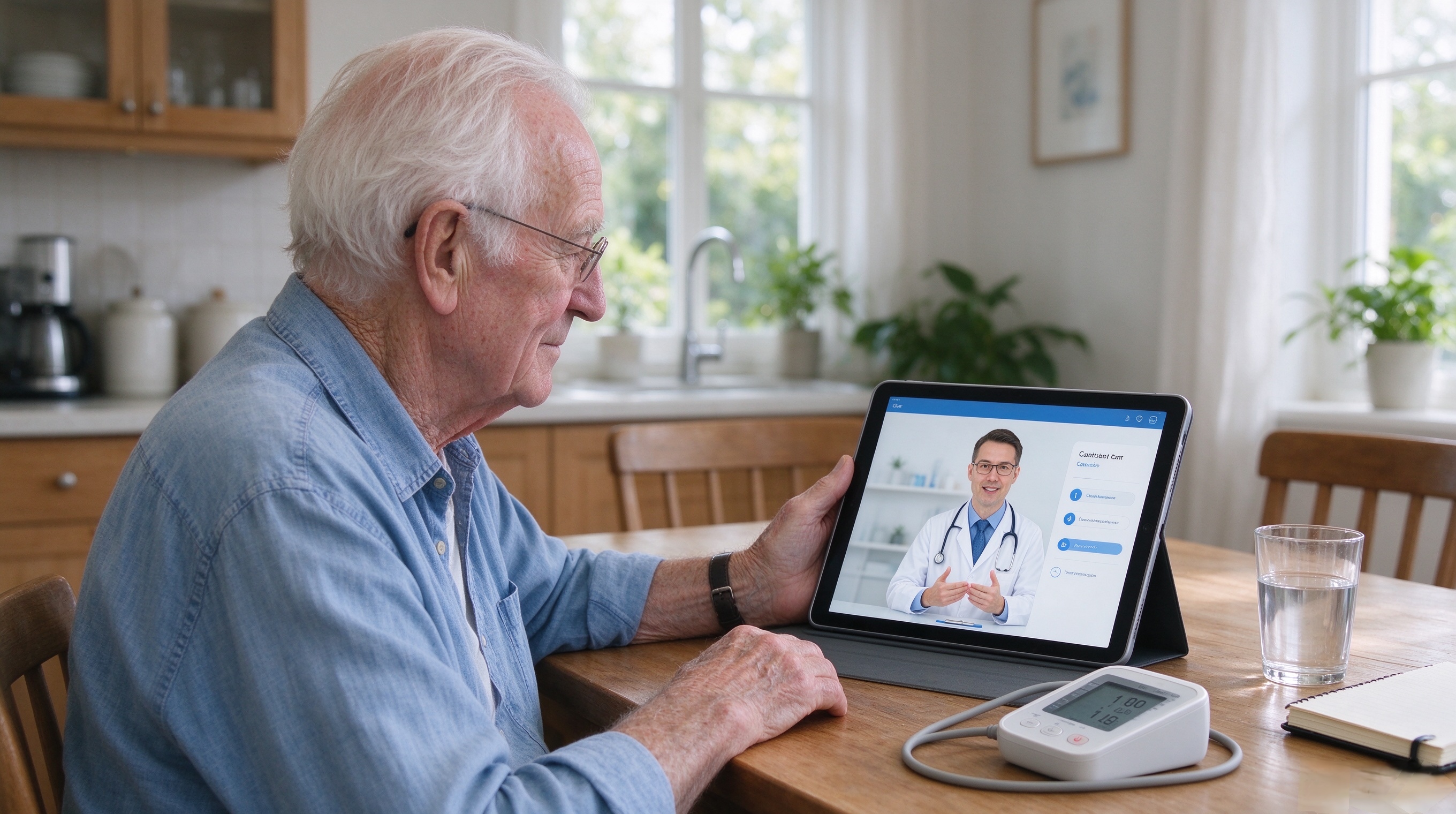
Australia focuses on digital services for ageing in place centred on an integrated digital platform. The country has upgraded the My Aged Care public aged care platform with simplified registration and information search processes. Older adults and their family members can complete aged care eligibility assessments, select care providers and submit applications for home age-friendly renovations online. Supported by the Be Connected digital literacy programme, nationwide training covering internet safety and basic digital skills is available for seniors. Low-income elders can access subsidised affordable smart devices and internet connections. The platform also connects health monitoring and home care booking modules, enabling seniors to contact care providers remotely and obtain all-in-one aged care public services.
France enforces accessibility standards for public digital services through legislation, mandating age-friendly upgrades for government websites and public service applications. Public online platforms at all administrative levels must be compatible with screen readers, with improved colour contrast and reduced redundant pop-ups to ensure seniors with impaired vision can browse smoothly. Local authorities have built digital platforms for elderly care support, which can quickly report risks for older adults living alone and coordinate community social workers to provide on-site assistance. Meanwhile, community digital cafés are run where volunteers help seniors practise online transactions and teleconsultation on a one-to-one basis. The sessions combine digital skill training with social interaction to ease digital isolation among elderly people living alone.
While the three countries adopt different approaches, they share the same core principle: public digital transformation should not only pursue efficiency but also accommodate the needs of vulnerable groups. Age-friendly adaptation means more than just larger fonts. It builds a complete system covering product design, offline tutoring and fallback human service channels, keeping alternative service options available alongside digitalisation. Reports from United Nations agencies on ageing note that digital inclusion forms a vital part of healthy ageing. Governments should prioritise the needs of older adults when rolling out public digital services to build an age-friendly digital environment.
Industry analysts say practices in South Korea, Australia and France offer references for tackling the global digital divide among seniors. Age-friendly digital services will shift from retrofitted adjustments to native age-centred design in the future. Voice interaction, lightweight interfaces and online-offline integration will become mainstream trends. For the silver economy, the rollout of age-friendly public digital services will fuel market growth for accessible terminals, digital education for seniors and home health monitoring, unlocking new potential in the longevity economy.
Yiwu Orange Light Future Technology keeps a close eye on global trends in elderly health. The company specialises in age-friendly health products, with a range of mature offerings to support seniors’ safety and wellbeing at home. Partners from all sectors are welcome for inquiries and business discussions!
RELATED NEWS
- Smart Dietary Tips for Seniors: A Guide to Healthy Eating in Later Life
- Lightweight Upright Exoskeleton Walking Device Secures Medical Device Certificat
- Guarding Seniors’ Every Step: Classifications & Adapted Functions of Walking Aid
- Silver Fitness Boom Sweeps Europe: Senior Fitness Groups Redefine Later Life
- Global Aging Summit Reaches Consensus: Prioritize Geriatric Chronic Disease Prev
CATEGORIES
LATEST NEWS
CONTACT US
Name: Fannie
Mobile:+86 13375799060
Tel:+86 13375799060
Whatsapp:+86 13375799060
Email:fannie@ywolftech.com
Add:589 Longtan Road,Jinhua City Zhejiang Province China