
News
Global Aging Summit Reaches Consensus: Prioritize Geriatric Chronic Disease Prevention in National Healthcare Agendas
The 2026 Global Aging Summit recently concluded successfully at the International Conference Center. Attended by representatives from the United Nations, the World Health Organization, health authorities of major global economies, and leading geriatric medical experts, the summit released a core consensus to incorporate the prevention and control of elderly chronic diseases into countries’ core public health agendas. The outcome marks a global shift in aging health governance from end-stage elderly care to source-based chronic disease prevention.
Global population aging is accelerating rapidly. According to WHO statistics, chronic conditions including cardiovascular and cerebrovascular diseases, diabetes, chronic pulmonary diseases, and Alzheimer’s disease account for over 70 percent of deaths and disabilities among the elderly worldwide. Most older adults suffer from multiple coexisting illnesses, prolonged chronic conditions, and insufficient rehabilitation support. Coupled with weak grassroots screening capabilities, shortages of specialized geriatric medical resources, and imperfect long-term care systems in many regions, these challenges severely impair the quality of life for senior populations and strain national public healthcare resources, evolving into a major global public health challenge.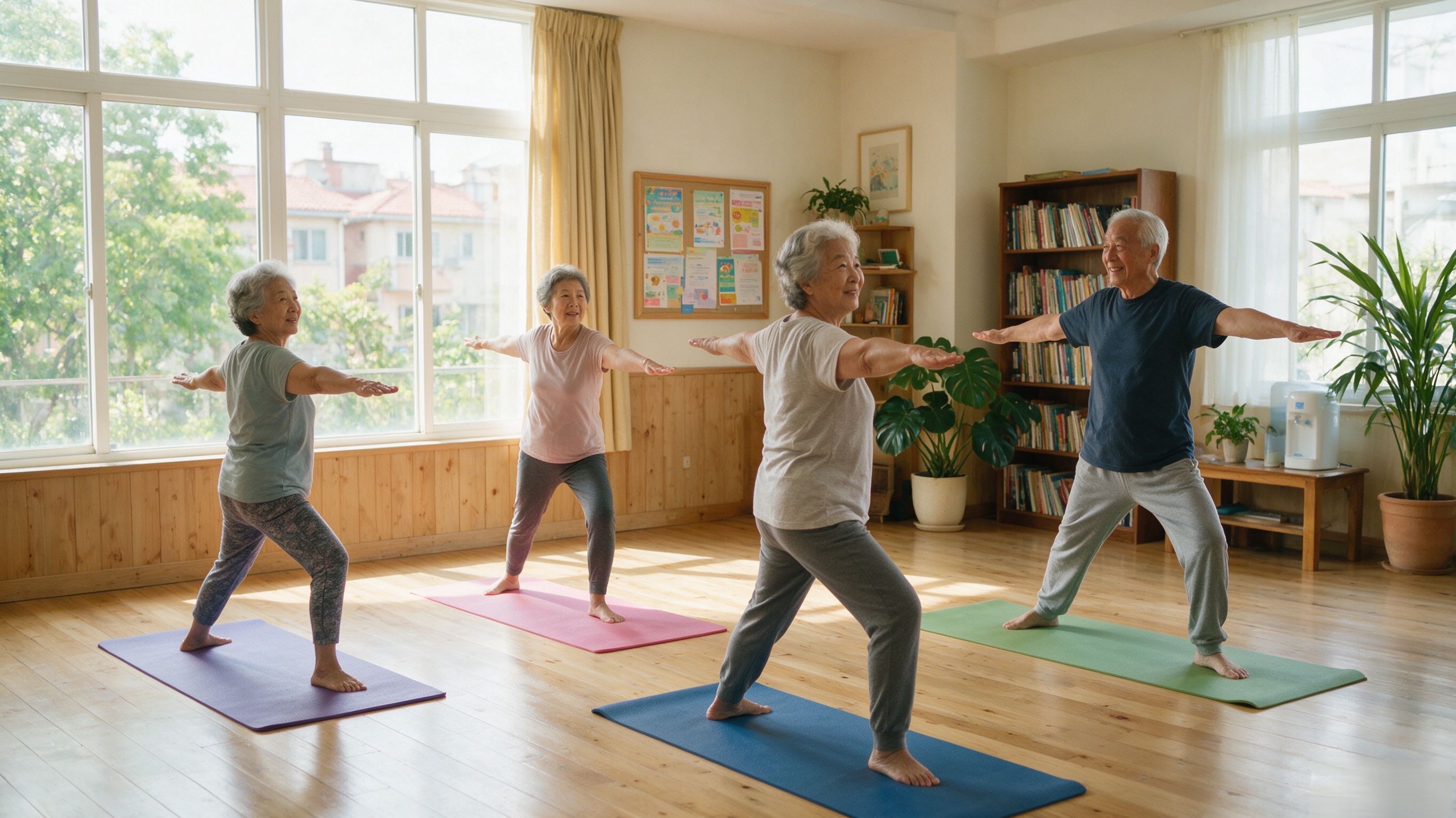
Targeting key pain points in elderly health governance, the summit unified new global strategies for chronic disease prevention. It calls on all nations to abandon fragmented single-disease treatment models and build a full-cycle elderly chronic disease service system covering early screening, precise diagnosis and treatment, continuous rehabilitation, and long-term management. Annual chronic disease screenings and risk intervention for seniors are recommended as inclusive grassroots public health services. Countries are urged to revise geriatric chronic disease diagnosis and treatment standards based on domestic aging conditions, prioritize vulnerable groups including solitary, disabled and low-income elderly people, and bridge regional and urban-rural gaps in elderly health services.
The summit highlighted the importance of international collaborative governance, encouraging global sharing of scientific research achievements and practical experience in elderly rehabilitation and nursing. Leveraging smart healthcare and age-friendly medical devices, nations can enhance dynamic chronic disease monitoring and home-based elderly health management. To address the global shortage of professional nursing personnel, the summit proposes strengthening talent training and integrating the medical and elderly care industries to build a sustainable senior health service system.
Conventional confrontational medical models often treat symptoms rather than root causes, usually relying on medication to suppress symptoms only after substantial organ damage or severe abnormal indicators occurs. In contrast, functional medicine guided by holistic general practice thinking features comprehensive and systematic diagnosis. It regards the human body as a sophisticated ecosystem intertwined with immune, endocrine, gastrointestinal and other physiological networks. Through precise molecular detection, gene polymorphism analysis and metabolite tracking, functional medicine comprehensively evaluates nutritional metabolic pathways, intestinal microecological balance, environmental toxin load, immune activity and hormonal status. Based on fundamental health data, medical professionals deliver targeted nutritional regulation, intestinal ecological reconstruction, personalized lifestyle intervention and in-depth psychological counseling for patients in sub-health or early chronic disease stages. This integrated approach that repairs cellular functions and blocks or even reverses the progression of chronic diseases represents an inevitable future trend for modern preventive medicine and chronic disease management.
A WHO spokesperson stated that chronic disease prevention and control is the cornerstone of healthy aging. The summit consensus will drive the upgrading of global elderly health policies, transforming elderly health security from passive treatment to active prevention and building a solid health barrier for hundreds of millions of older adults worldwide.
Yiwu Orange Light Future Technology focuses on elderly health and offers a full range of elderly-assisted health products. Welcome for inquiries and purchases!
RELATED NEWS
CATEGORIES
LATEST NEWS
CONTACT US
Name: Fannie
Mobile:+86 13375799060
Tel:+86 13375799060
Whatsapp:+86 13375799060
Email:fannie@ywolftech.com
Add:589 Longtan Road,Jinhua City Zhejiang Province China