
News
Global Senior Care Development: Upgrading Services for Elderly Health
As the global ageing process continues to accelerate and the elderly population keeps expanding, simply extending life expectancy is no longer the core goal of an ageing‑oriented society. How to enable older adults to enjoy a later life marked by good health, autonomy and personal dignity has become a practical challenge shared by countries across the world. The World Health Organization has repeatedly called for a much‑needed transformation of global elderly care systems. Moving beyond the traditional model focusing on disease treatment and basic daily care, a comprehensive care system centred on older individuals should prioritize physical wellbeing, human dignity and the right to self‑determination to put healthy ageing into practice.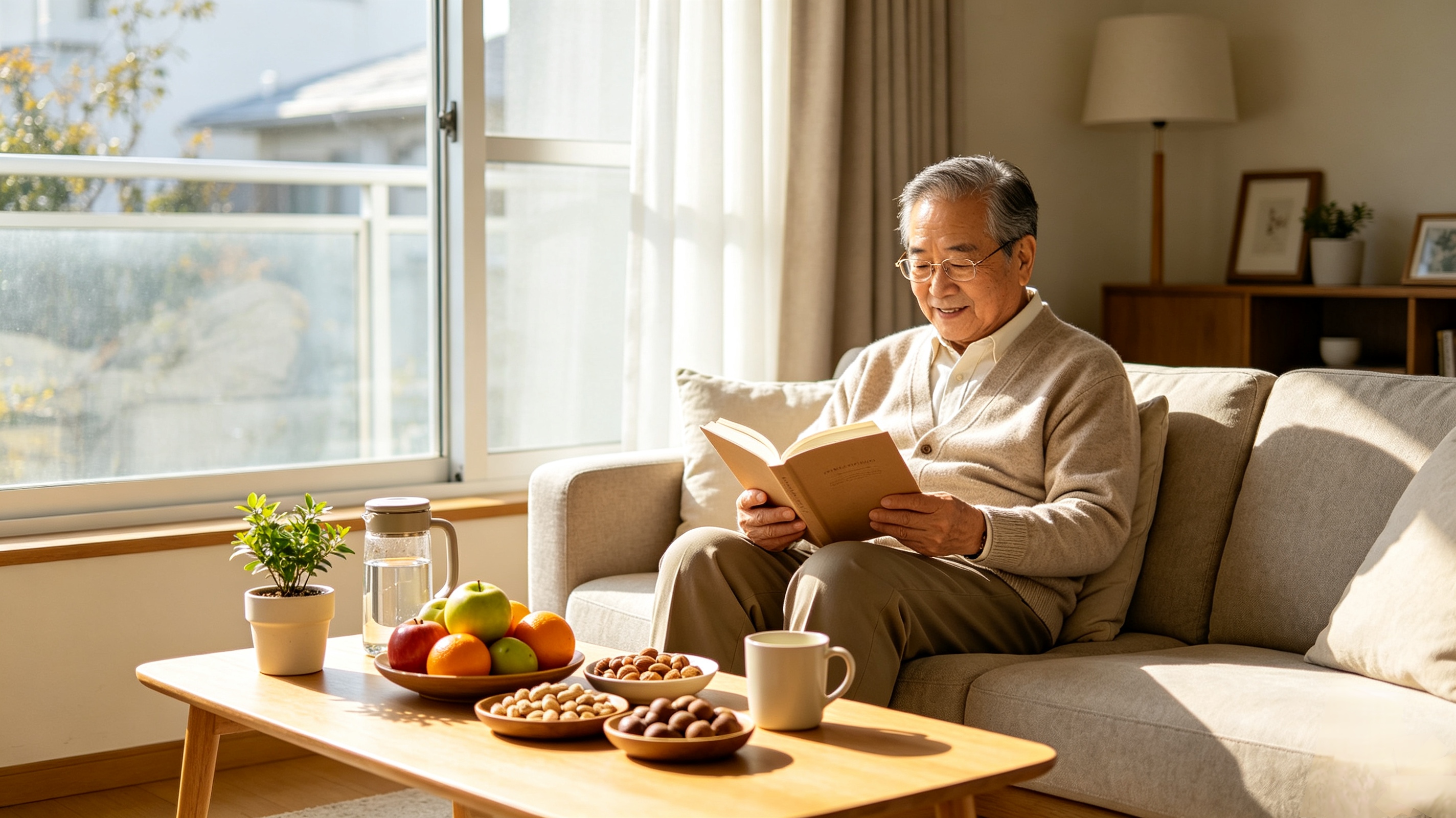
Under traditional elderly care models, many regions prioritize basic survival needs such as food and daily supervision, yet often overlook seniors’ psychological wellbeing and personal preferences. Some institutions take excessive charge of elderly people’s daily lives. While putting safety first, they limit opportunities for independent activities and social engagement. Receiving care passively, older adults gradually lose their sense of control over life, and their dignity diminishes accordingly. Meanwhile, the number of disabled and dementia‑affected seniors keeps rising. Diverse demands including chronic disease management, rehabilitation nursing, mental comfort and palliative care have surged. Stand‑alone nursing‑home services can no longer meet the complex and evolving health‑related needs of older populations. Against this backdrop, a global upgrade of elderly care covering institutions, service philosophies and technological applications is unfolding in many countries.
In Europe, multiple countries have taken the lead in exploring dignity‑oriented care practices. The Hogeweyk dementia care community in the Netherlands breaks the closed‑ward pattern of conventional nursing homes by building a life‑like community setting. Seniors living with Alzheimer’s disease are free to go shopping, cook and socialize, preserving ordinary life experiences to the greatest possible extent. Safety is not achieved through restriction and control; instead, seniors’ living habits and personal choices are respected. This model has been referenced and adopted by numerous nations. Some elderly care facilities in Sweden downplay the identity of “care recipient”. Family‑friendly spaces are maintained on‑site, and seniors are encouraged to take part in daily activities such as gardening and handicrafts. Respecting older people’s will is the top principle for nursing staff. Seniors are entitled to decide their own schedules, social contacts and lifestyles, and care services are tailored to individual preferences rather than rigid uniform standards.
RELATED NEWS
- International Congress of Nutrition: Customized Nutritional Diet Improves Gastro
- Smart Dietary Tips for Seniors: A Guide to Healthy Eating in Later Life
- Gentle Exercises Prevail Worldwide: Tai Chi and Brisk Walking Top Wellness Choic
- Advancing Age-friendly Mobility: Protecting Mobility Health of Older Adults
- Singapore Rolls Out New Rules: Medical Assessment Required for Mobility Aids on
CATEGORIES
LATEST NEWS
CONTACT US
Name: Fannie
Mobile:+86 13375799060
Tel:+86 13375799060
Whatsapp:+86 13375799060
Email:fannie@ywolftech.com
Add:589 Longtan Road,Jinhua City Zhejiang Province China