
News
Adapting to an Ageing Society: Global Nations Boost Healthcare Security for Older Adults
Against the accelerating global population‑ageing process, the silver‑hair society has become a reality many countries have to confront. According to UN data, the global elderly population is expanding rapidly. A host of intertwined challenges have emerged, including high incidence of chronic diseases, household safety hazards, shortages of care‑giving workforce, and neglected mental‑health needs among older adults. Building a sound senior health‑security system to safeguard the health rights and dignity of the elderly has turned into a public issue for all humanity. The World Health Organization keeps advocating the concept of healthy ageing. It stresses that elderly‑related security is not limited to disease treatment, but also covers disease prevention, functional maintenance, social participation and mental well‑being. It encourages countries to elevate senior‑health issues to national‑policy agendas and systematically improve institutional and service provisions.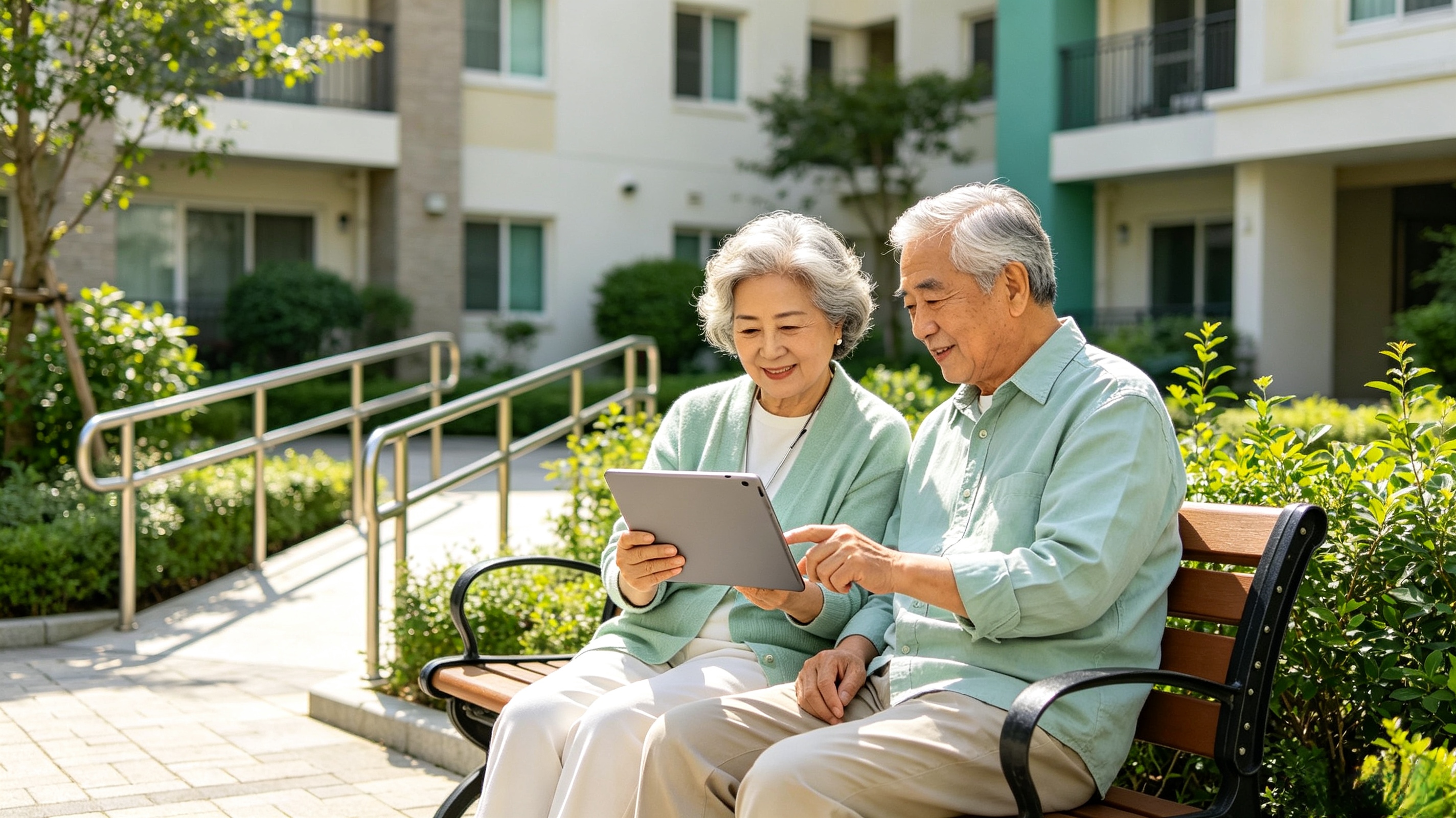
European countries have optimized the institutional design of senior health security based on their existing social‑welfare foundations. France has formulated senior‑health plans through legislation and set standards for age‑friendly products. It encourages social capital to engage in the elderly‑health industry, bringing home‑adaptation kits and household health‑monitoring devices into ordinary households and alleviating family care‑giving burdens. Supported by its long‑term‑care‑insurance system, Germany has established a dual‑support framework consisting of medical‑insurance and nursing‑insurance. After care‑level assessment, senior citizens can access diversified services such as home‑based care and rehabilitation treatment, effectively easing the care pressure for disabled elderly people. Faced with a growing share of advanced‑age population, Spain is shifting away from merely expanding nursing‑home capacity. It vigorously develops home‑visit care and day‑care centres, extending health‑care services to communities and households to address the shortage of institutional beds.
Ageing‑front‑runner economies across the Asia‑Pacific are exploring senior‑health‑security pathways tailored to local conditions. Relying on its long‑term‑care‑insurance (Kaigo) system, Japan has built a complete care network covering home, community and institutional settings. Citizens aged 40 and above contribute to the scheme. After eligibility assessment, seniors only bear a small portion of expenses to receive nursing and rehabilitation services. Meanwhile, Japan promotes home‑based age‑adaptation and popularizes smart assistive devices to help older adults age in place. South Korea has rolled out comprehensive community‑care programmes. Backed by long‑term‑care insurance, it delivers home‑based medical and nursing services for disabled and semi‑disabled seniors. Digital‑learning centres are set up to provide free hands‑on training, bridging the digital divide and enabling the elderly to operate various health‑oriented smart devices.
Singapore has allocated special funds to upgrade its senior‑activity centres. These community hubs integrate health education, chronic‑disease screening and social activities. By coordinating governments, enterprises and communities, Singapore removes barriers for front‑line delivery of health services. Australia has launched home‑based aged‑care pilot programmes with special funding. Hospital‑based rehabilitation services are extended to seniors’ residences to reduce repeated hospital admissions. A home age‑adaptation service platform has also been established to deploy fall‑detection sensors, barrier‑free bathroom facilities and other age‑friendly products, protecting the safety and health of seniors living at home.
The World Health Organization and UN agencies call on all countries to take local realities into account, improve cross‑departmental coordination mechanisms, scale up investment in grassroots senior‑health services, balance material support and mental‑emotional care, combat age discrimination, and advance fair access to health resources. Industry consensus holds that a mature senior health‑security system relies on institutions, technologies and products, yet human companionship remains irreplaceable. Only the combination of institutional guarantees, industrial empowerment and humane care can deliver safe, healthy and dignified later‑life for older adults.
Yiwu Orange Light Future Technology keeps track of global trends in elderly health. Specializing in age‑friendly health products, we offer a range of well‑developed solutions to support seniors’ safety and well‑being at home. Business inquiries and negotiations are welcome.
RELATED NEWS
- Fighting Ageism: Advancing Equal and Dignified Healthcare for Older Patients
- Global Demographic Reversal: 65+ Population Surpasses Young Children
- Smart Health Technologies Enter Communities to Build Full-Scenario Age-Friendly
- How to help patients get in and out of wheelchairs
- Multinational Joint Study: A Healthy Lifestyle Can Effectively Slow Cognitive De
CATEGORIES
LATEST NEWS
CONTACT US
Name: Fannie
Mobile:+86 13375799060
Tel:+86 13375799060
Whatsapp:+86 13375799060
Email:fannie@ywolftech.com
Add:589 Longtan Road,Jinhua City Zhejiang Province China