
News
Digital & Intelligent Technologies Boost the Dynamic Silver Economy
The Special Forum on Elderly Care Technology at CES 2026 International Consumer Electronics Show has concluded. Tech enterprises, elderly care institutions and think tanks from more than 30 countries across the globe reached a consensus: digital and intelligent technologies such as artificial intelligence, the Internet of Things and big data are comprehensively reshaping the elderly consumer market, continuously unlocking the trillion-dollar blue ocean of the silver economy, and emerging as a core solution for the world to cope with population aging and tap new economic growth drivers.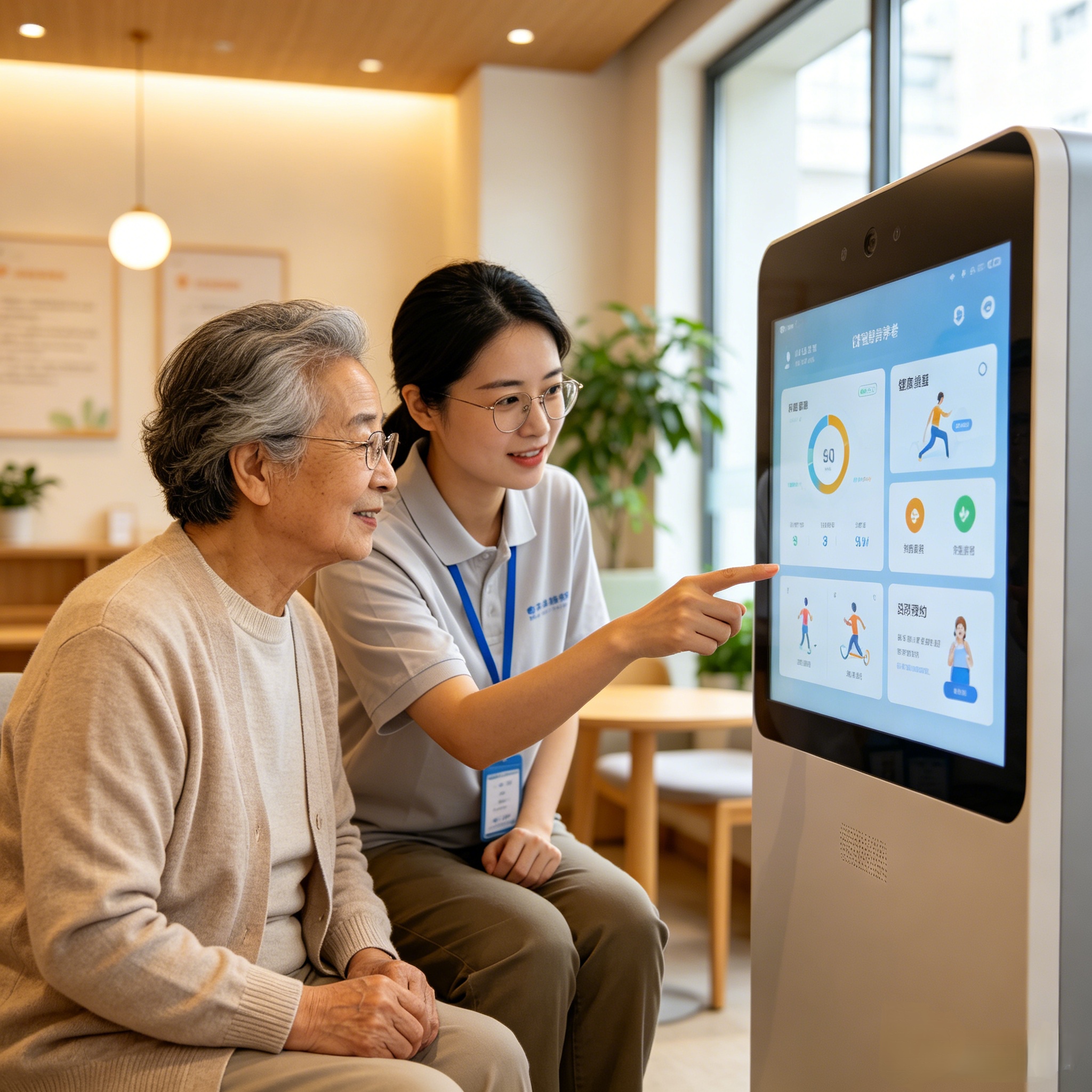
Technology + Care to Support Quality Later-Life Care
United Nations data indicates that half of all countries worldwide now record a life expectancy exceeding 75 years, with the fastest growth in elderly populations seen in developing nations. This trend has drastically escalated pressures on social security and demand for care services. To adapt to shifting demographic structures, many front-running aging societies have actively explored building social service networks and accelerating the adoption of technological innovation. They encourage enterprises to develop and popularize age-friendly products and services to boost the growth of the elderly care service industry.
Japan, one of the front-running aging nations, currently holds the world’s highest population aging rate. It launched its Long-Term Care Insurance System in 2000. A government-led social insurance model, the system pools social resources via taxation, insurance premiums and co-payments to deliver services for people with long-term care needs, covering home-based care, day care and residential care services.
The person in charge of a China-UK cross-border AI health and elderly care cooperation project stated at the forum that the digitally-driven silver industry boasts huge potential for cross-border collaboration. Countries are speeding up the alignment of technical standards and two-way circulation of products, with an increasing number of cross-border smart elderly care cooperation projects being launched. Industry insiders forecast that the global silver economy market size will surpass $3.2 trillion in 2026, with digital age-friendly sectors leading growth across all industries and acting as a vital new engine sustaining stable global economic expansion.
In Singapore, senior citizens are referred to as "silver generation". The country’s aging population has fueled demand for relevant products and services, opening up new growth opportunities for its domestic market. Singapore’s Population Brief 2024 projects that citizens aged 65 and above will account for 24.1% of the total population by 2030. In response, Singapore’s government departments plan to make full preparations including cultivating a workforce of elderly care professionals.
Developing the silver economy carries far-reaching multifaceted significance. Economically, it fosters trillion-yuan emerging industries including healthcare and smart elderly care. Socially, it effectively satisfies the diverse and varied demands of senior citizens, eases strains on elderly security systems, and facilitates the construction of age-friendly societies. Technologically, cutting-edge technologies such as artificial intelligence and the Internet of Things reinvent elderly care models, elevating service efficiency and human-centered quality. By unlocking the consumption potential of older adults and advancing industrial transformation and upgrading, the silver economy delivers innovative solutions to tackle the global challenge of population aging.
RELATED NEWS
- Smart Health Technologies Enter Communities to Build Full-Scenario Age-Friendly
- More Than Longevity: The Global Pursuit of Secure Later Life and Sustainable Sen
- WHO Urges Global Restructuring of Elderly Care Systems to Advance the UN Decade
- Exploring Overseas Silver Market, All-in-One Geriatric Wellness Solutions Sell W
- Proper Fitting Is Key: Wheelchair Selection and Healthy Usage Guidelines for Sen
CATEGORIES
LATEST NEWS
CONTACT US
Name: Fannie
Mobile:+86 13375799060
Tel:+86 13375799060
Whatsapp:+86 13375799060
Email:fannie@ywolftech.com
Add:589 Longtan Road,Jinhua City Zhejiang Province China