
News
Overlooked Silent Threat: Sarcopenia Impairs Quality of Life Among Older Adults Across the Globe
Xinhua News Agency, compiled from foreign media reports. Muscle loss is often dismissed by the public as a normal part of ageing. However, multiple studies in the field of international geriatrics warn that sarcopenia, an easily‑missed geriatric syndrome, has become a hidden public‑health crisis threatening older adults’ ability to live independently and hinders progress toward the goal of healthy ageing.
According to data released by the Global Sarcopenia Initiative, around 50 million people worldwide are currently affected by sarcopenia. With rapid population ageing, the global number of sarcopenia patients is projected to rise to 500 million by 2050. The risk is especially high among advanced‑age groups, with more than half of people aged over 80 affected. Sarcopenia manifests as loss of skeletal muscle mass, reduced muscle strength and declining physical mobility as people grow older. Unlike simple weight loss, many seniors show no obvious outward signs, yet their physical function keeps deteriorating. Early detection remains difficult, resulting in generally low community‑screening coverage across many countries.
The cascading health consequences of sarcopenia should not be underestimated. International meta‑analyses show that older adults with sarcopenia face a substantially higher risk of falls. Falls can easily lead to hip fractures, which may further result in long‑term bed‑rest and loss of self‑care ability, greatly increasing risks of geriatric disability, hospital admission and premature death. Meanwhile, it interacts negatively with osteoporosis and metabolic disorders, creating a vicious health cycle. For many older people whose quality of life drops sharply, the root cause is not severe illnesses such as cancer or cardiovascular and cerebrovascular diseases, but long‑neglected muscle loss.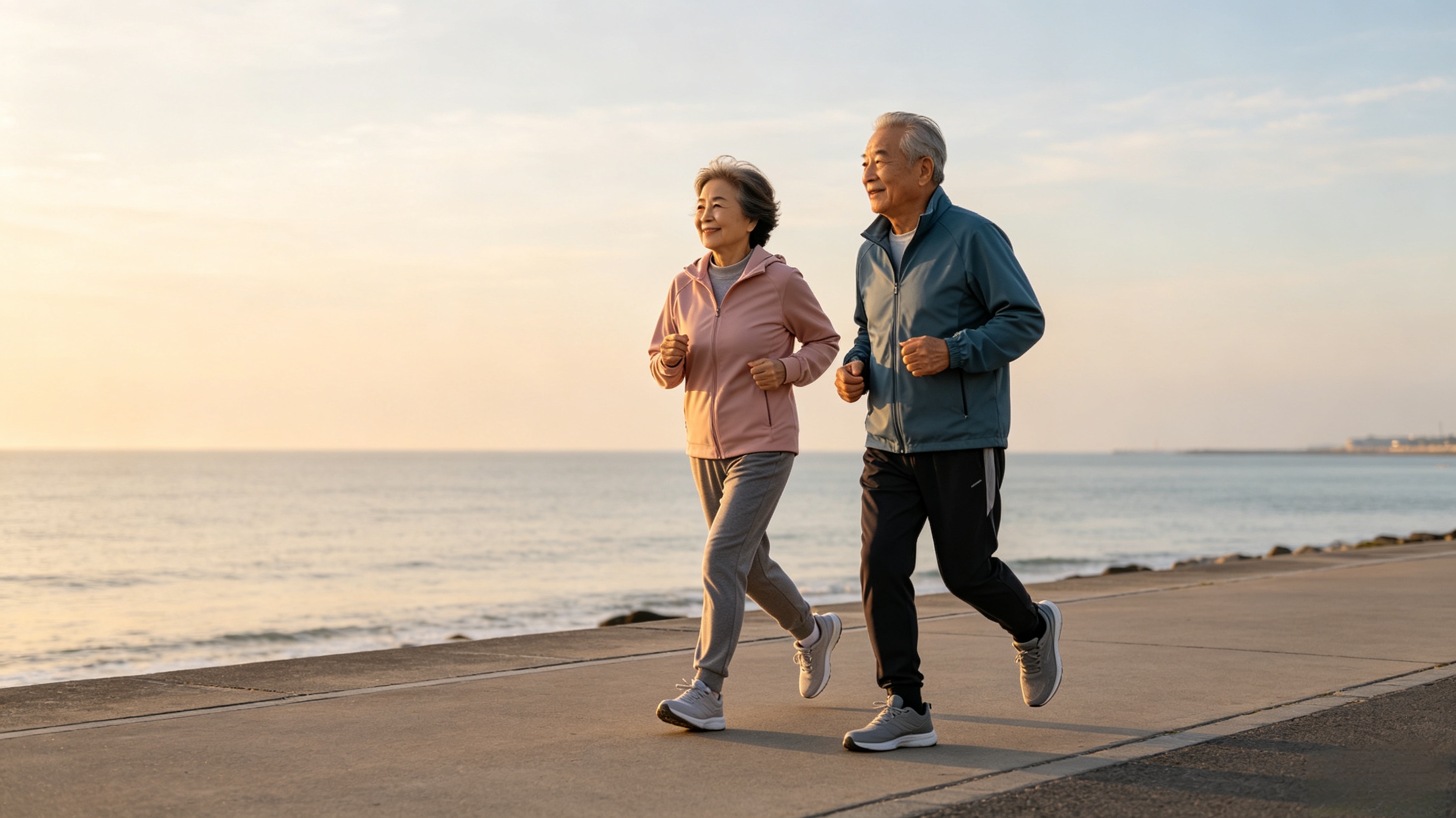
For a long time, society and medical institutions have focused more on common chronic conditions such as hypertension and diabetes, while awareness of sarcopenia remains insufficient. Many families regard reduced strength and slower walking speed among the elderly as “inevitable with ageing”, missing the optimal window for intervention. Updated 2025 expert consensus from the Asian Working Group for Sarcopenia advocates shifting prevention forward to the pre‑ageing phase of 50‑64 years old. Muscle depletion starts quietly in middle‑age; intervention becomes far more difficult once obvious weakness appears after age 65.
Cross‑national cohort studies by research teams across multiple countries confirm that sarcopenia is not entirely irreversible. Adequate intake of high‑quality protein, resistance training, moderate aerobic exercise and sufficient sunlight for vitamin‑D supplementation constitute core measures to slow muscle loss. Walking alone cannot counteract muscle decline. Simple strength exercises including resistance‑band workouts and body‑weight squats play an irreplaceable role in preserving muscle strength for older adults. Nevertheless, standardized community‑screening tools are not yet widely available globally. Disparities in medical resources between countries leave numerous high‑risk groups without timely assessment and guidance.
Within its healthy‑ageing framework, the World Health Organization has identified muscle health as a core indicator for preserving physical function in later life. It calls on countries to improve screening systems for geriatric syndromes and integrate sarcopenia management into primary‑care health programmes for older populations. Experts note that achieving healthy ageing means more than treating existing illnesses; it requires protecting older people’s fundamental capacity for movement and self‑care. Sarcopenia prevention is critical for millions of seniors to enjoy dignified, high‑quality later‑life and requires joint efforts from public‑health authorities, community medical services and families.
Yiwu Orange Light Future Technology pays close attention to elderly‑health issues. The company provides a full range of age‑assist and health‑care products. Inquiries and purchases are welcome!
RELATED NEWS
- Lightweight Upright Exoskeleton Walking Device Secures Medical Device Certificat
- 2026 New Home Wellness Choice: Shower Chairs Redefine Comfortable Seated Bathing
- Safe Mobility for Older Adults: Age-Friendly Transport Practices Across Europe,
- Smart Health Technologies Enter Communities to Build Full-Scenario Age-Friendly
- Develop Education for the Elderly, Enjoy Golden Years
CATEGORIES
LATEST NEWS
CONTACT US
Name: Fannie
Mobile:+86 13375799060
Tel:+86 13375799060
Whatsapp:+86 13375799060
Email:fannie@ywolftech.com
Add:589 Longtan Road,Jinhua City Zhejiang Province China